
Hair Restoration
Hair loss isn’t random—and it’s not just a scalp issue.
At Rejuvenate Indy, we identify and treat the root cause so your hair can actually regrow. Hormones. Thyroid. Nutrient deficiencies. Inflammation.
We don’t guess—we test and treat.
Most hair loss is a symptom—not the root problem.
Common Causes of Hair Loss We Treat
Hormonal imbalance (estrogen/testosterone)
Thyroid dysfunction
Iron deficiency / low ferritin
Stress + cortisol
Inflammation
Postpartum hair loss
Perimenopause hair loss
HAIR RESTORATION PROCESS
Hair restoration isn’t guesswork. It’s a step-by-step process designed to identify the root cause and support real regrowth.
Identify the Root Cause
We start by evaluating what’s driving your hair loss- hormonal imbalances, thyroid dysfunction, nutrient deficiencies, inflammation, or stress-related factors.
Build a Personalized Plan
No two patients are the same. We create a customized protocol based on your labs, symptoms, and goals.
Consultation
Stimulate Hair Regrowth
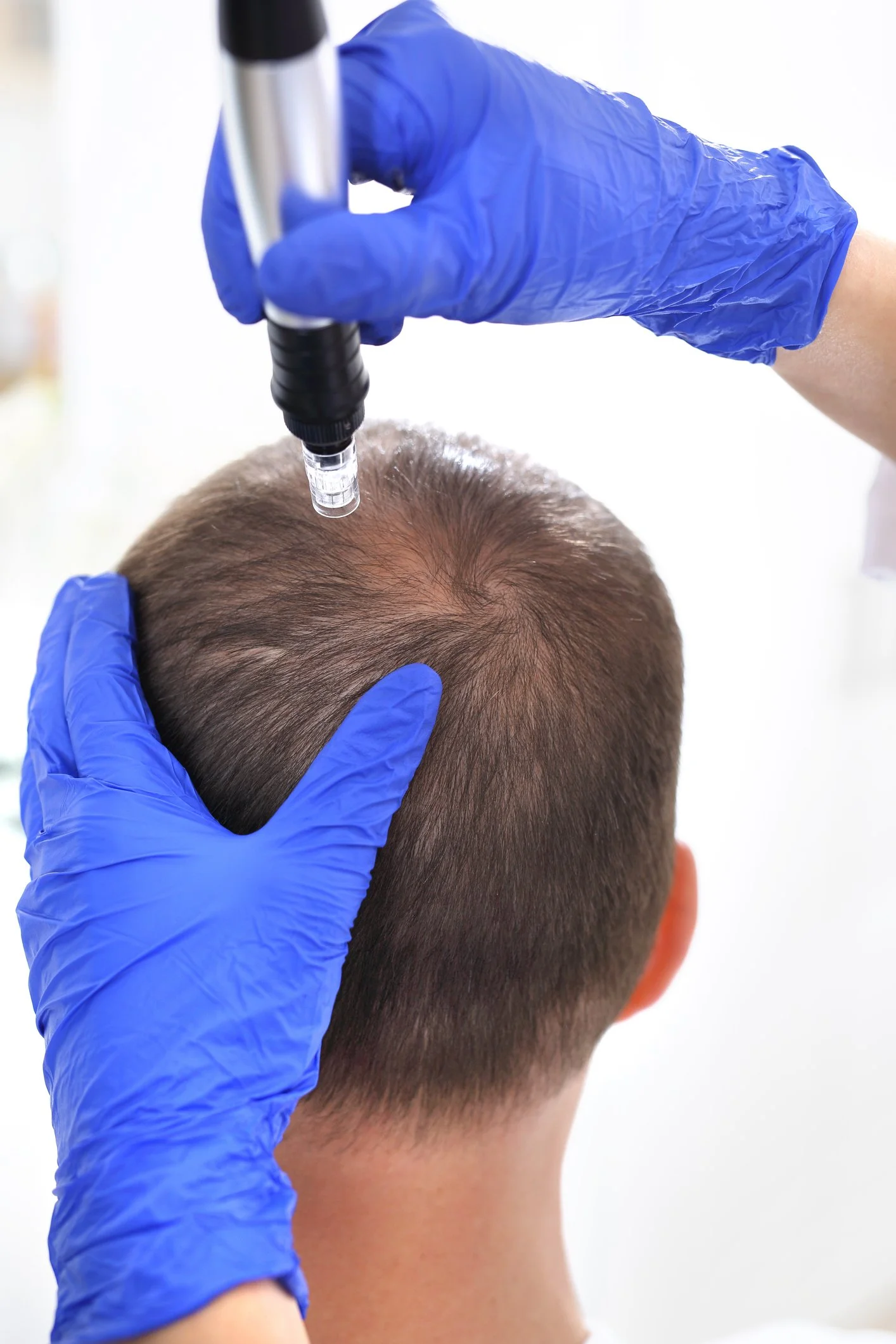
We use advanced treatments such as microneedling, exosomes, and PRP to improve circulation, activate follicles, and support new growth.
Support Internal Healing
Hair growth starts from within. We address nutrition, hormones, and metabolic factors to create the right environment for regrowth.
Stimulate Hair Growth
Monitor and Adjust
We track your progress and adjust your plan as needed to ensure continued improvement over time
Follow Up
Our Multi-Modality Approach.
-
![]()
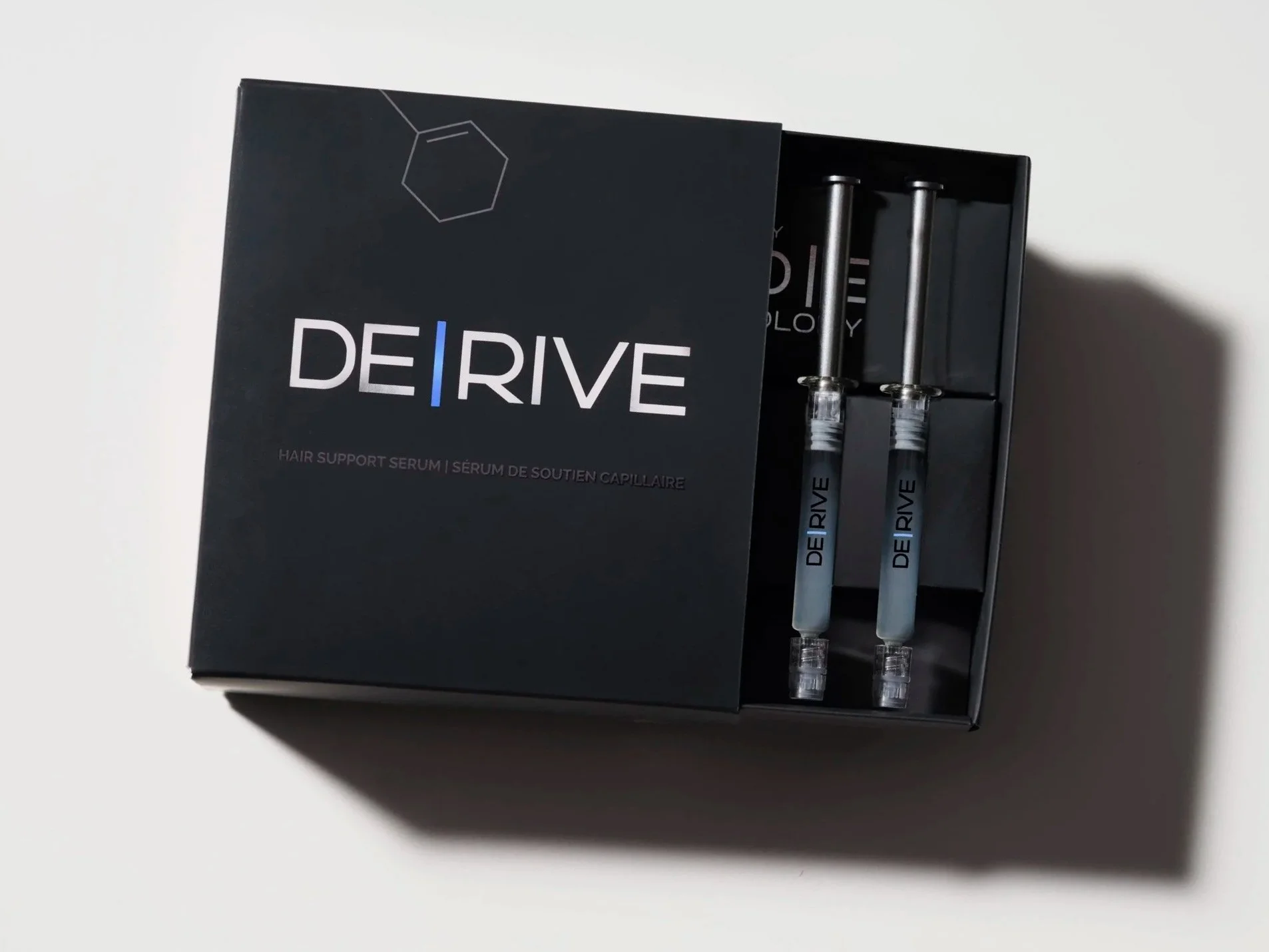
DERIVE
Derive delivers concentrated growth factor signaling directly to the follicular unit during treatment. When combined with microneedling, it enhances cellular activation, supports tissue repair, and promotes a healthier scalp environment for consistent hair growth.
Benefits: Supports follicular regeneration, reduces inflammatory signaling, strengthens hair shafts, and improves long-term density outcomes.
-
![]()
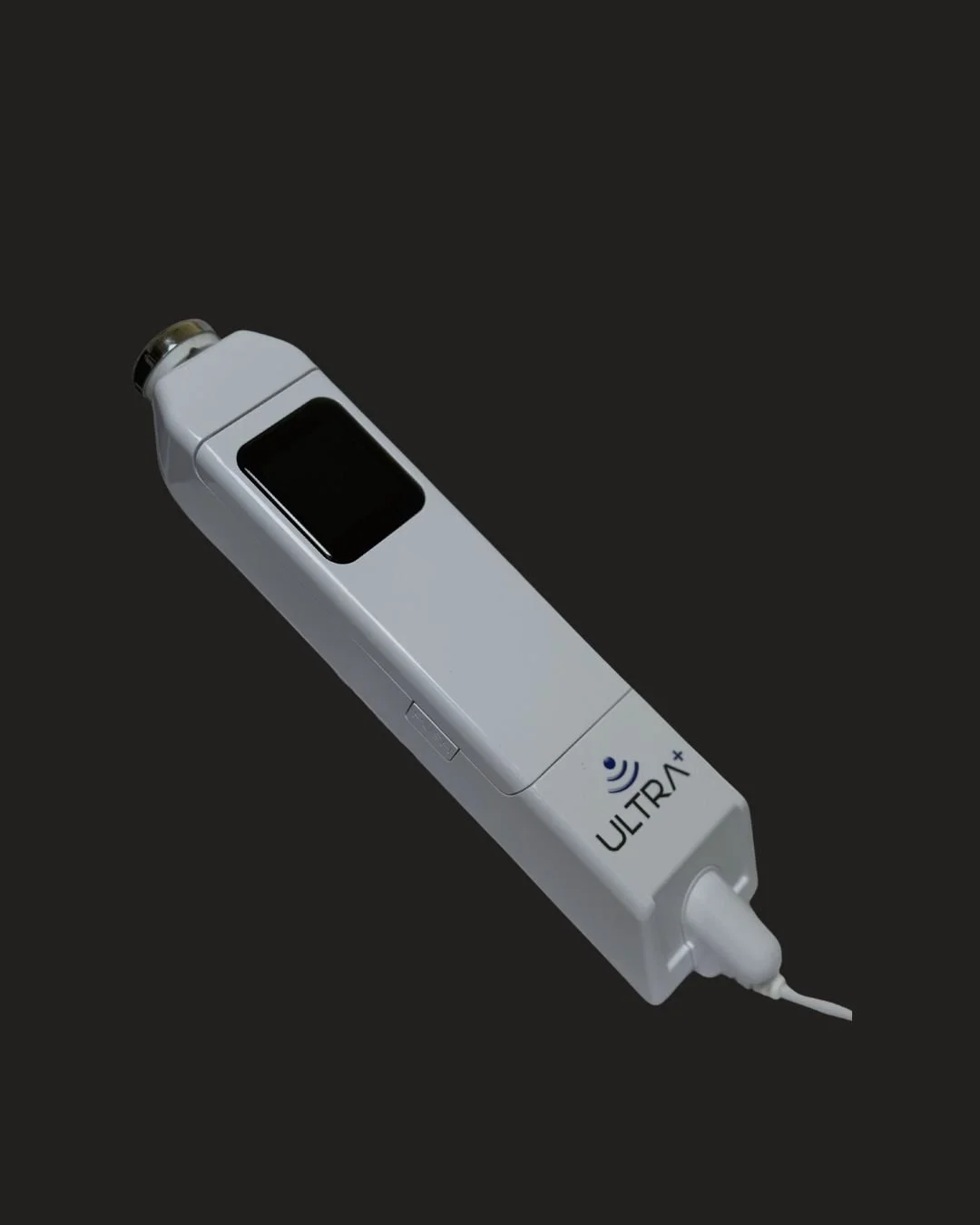
ULTRA+
Ultra+ enhances the follicular microenvironment by supporting cellular signaling and optimizing the conditions required for sustained growth. When layered within our regenerative protocol, it strengthens the biological foundation necessary for long-term density improvement.
Benefits: Improves follicular stability, supports tissue integrity, enhances regenerative signaling, and promotes healthier, thicker hair growth.
-
![]()
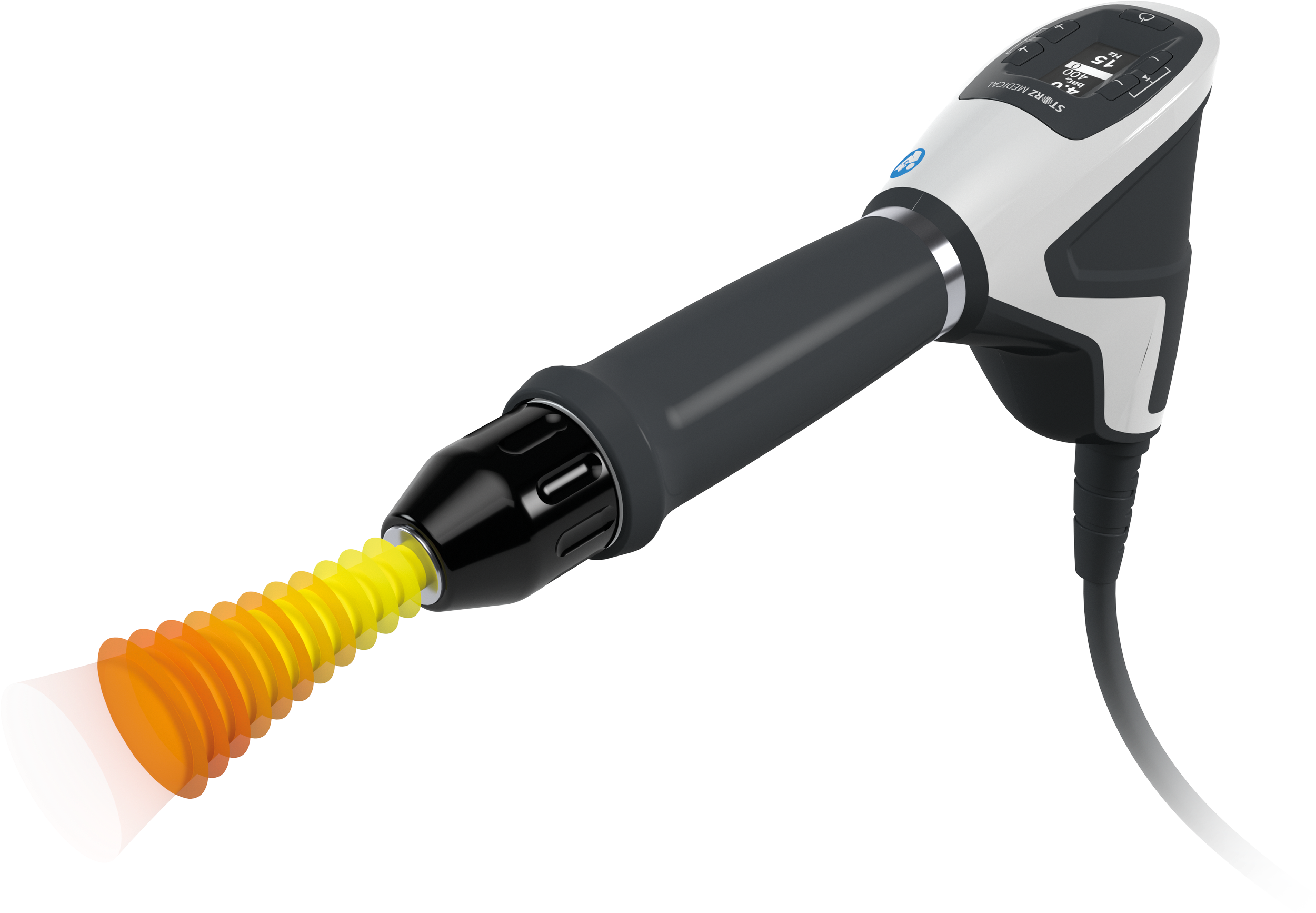
SHOCKWAVE
Shockwave therapy, also known as extracorporeal shockwave therapy (ESWT), is a non-invasive treatment that uses acoustic waves to stimulate blood flow, tissue regeneration, and hair follicle activation.
Benefits: Enhances blood circulation in the scalp, reduces inflammation, promotes new hair follicle growth, and increases nutrient delivery to hair roots.
-
![]()
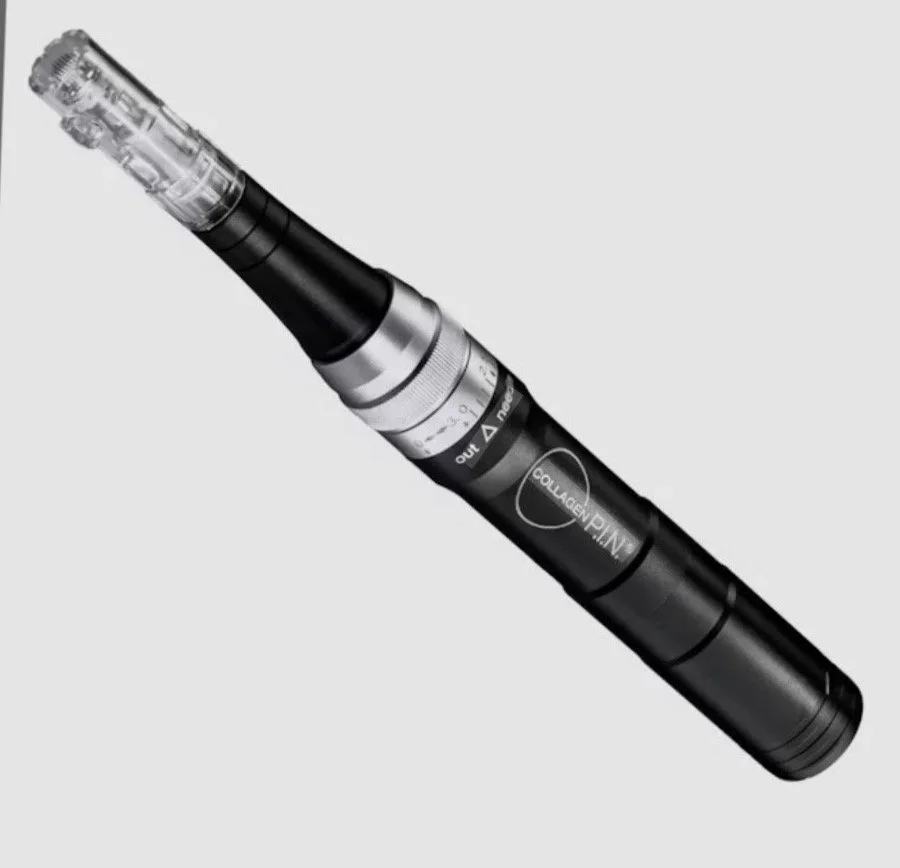
MICRONEEDLING
Microneedling is a minimally invasive procedure that stimulates hair follicles by creating micro-injuries in the scalp. This process increases blood flow, enhances collagen production, and improves absorption of topical treatments, leading to stronger, healthier hair.
Benefits: Stimulates hair follicle activity, increases scalp circulation, enhances absorption of growth serums, and improves overall scalp health.
.
-
![]()
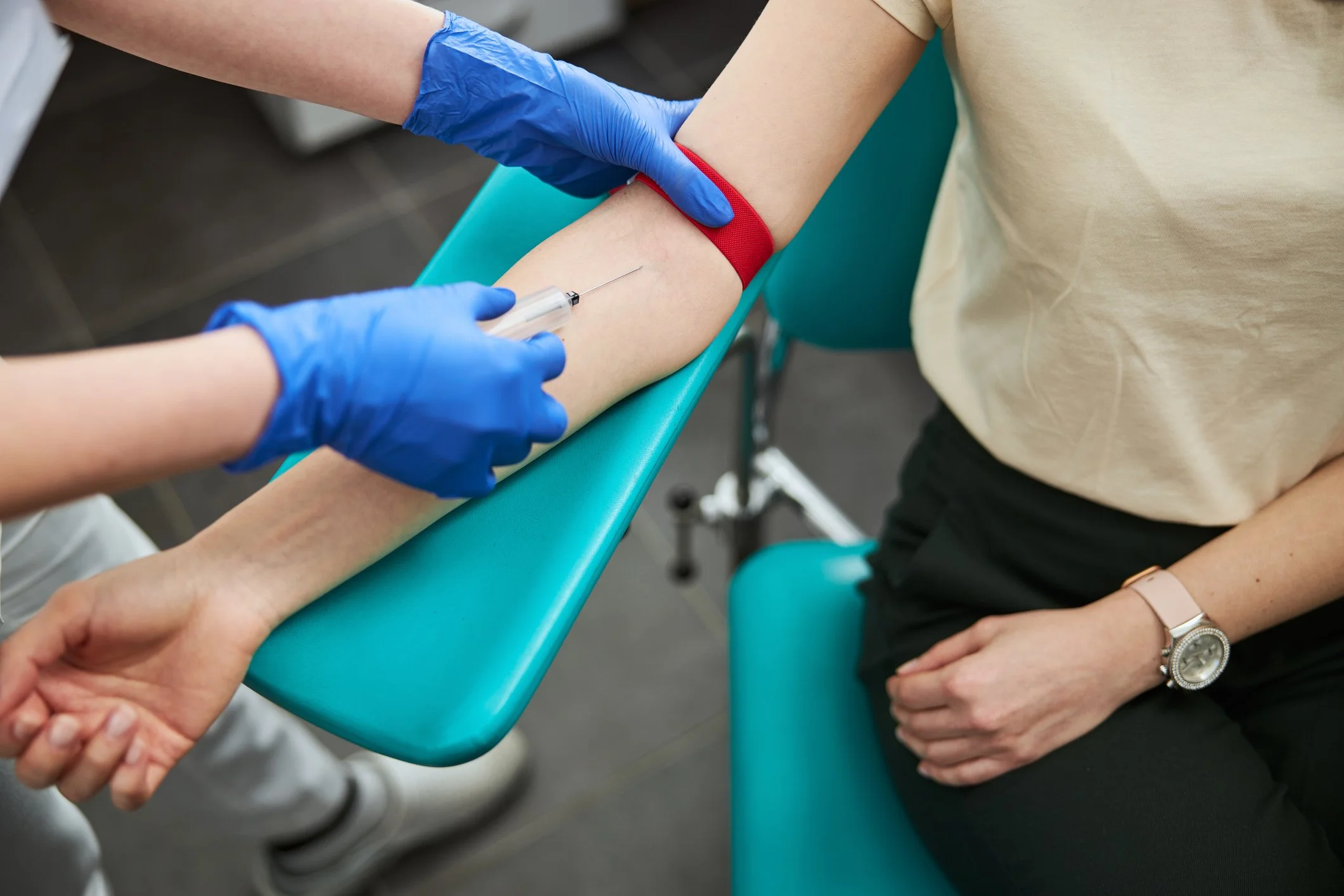
PRP & PRF
PRP and PRF therapies harness the power of your own blood to stimulate hair growth. Growth factors from platelets promote cell regeneration and strengthen existing hair follicles, encouraging natural hair regrowth.
Benefits: Stimulates hair follicle regeneration, enhances hair thickness, slows hair loss, and improves overall scalp health. PRF has a slower release of growth factors for a longer-lasting effect.
Real Patients.
Real Results.
-
![]()
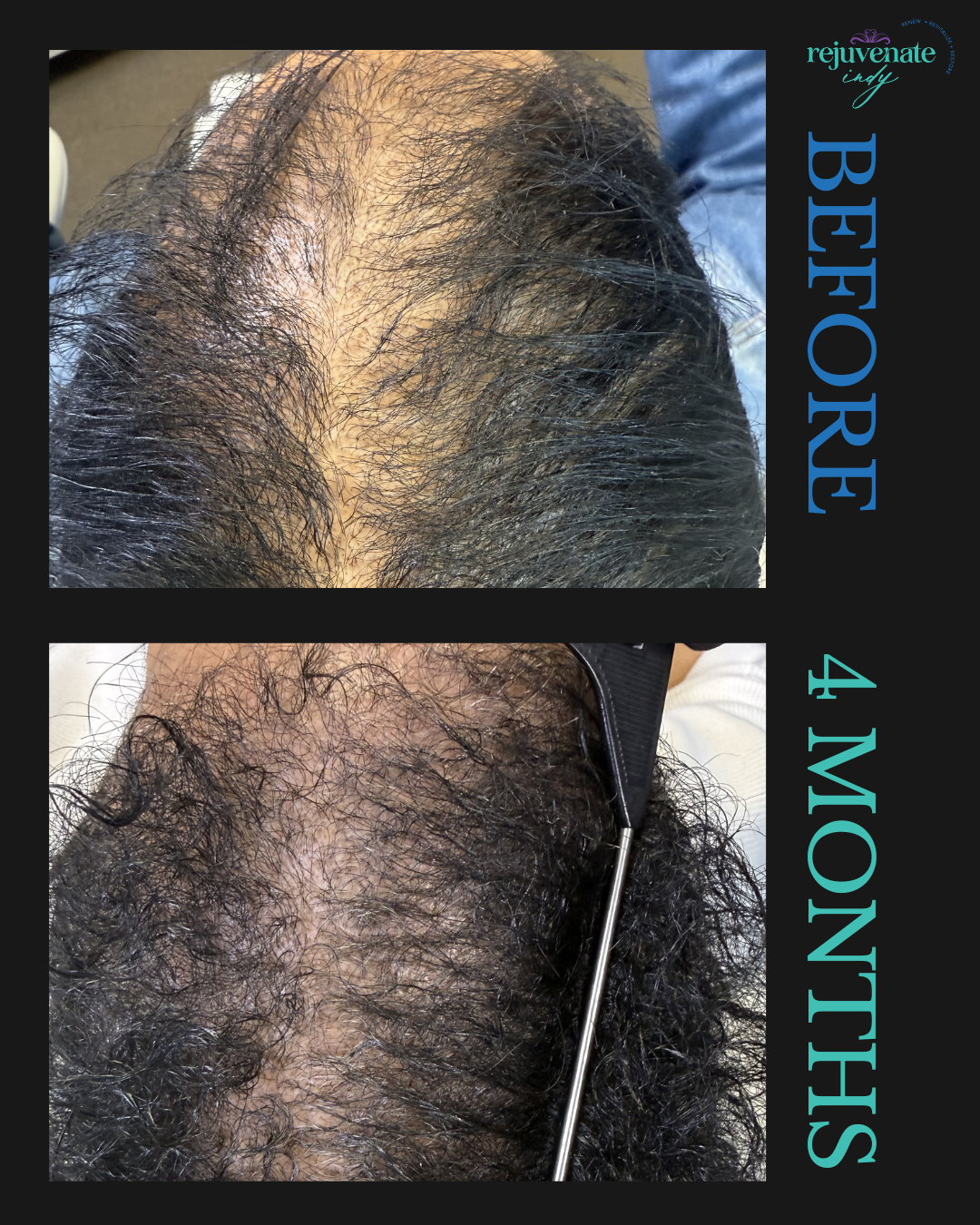
4 MONTHS
4 months in—and we’re just getting started.
More coverage.
Less scalp visibility.
New growth coming in.This is the phase most people quit… right before results really take off.
Stay the course.
-
![]()
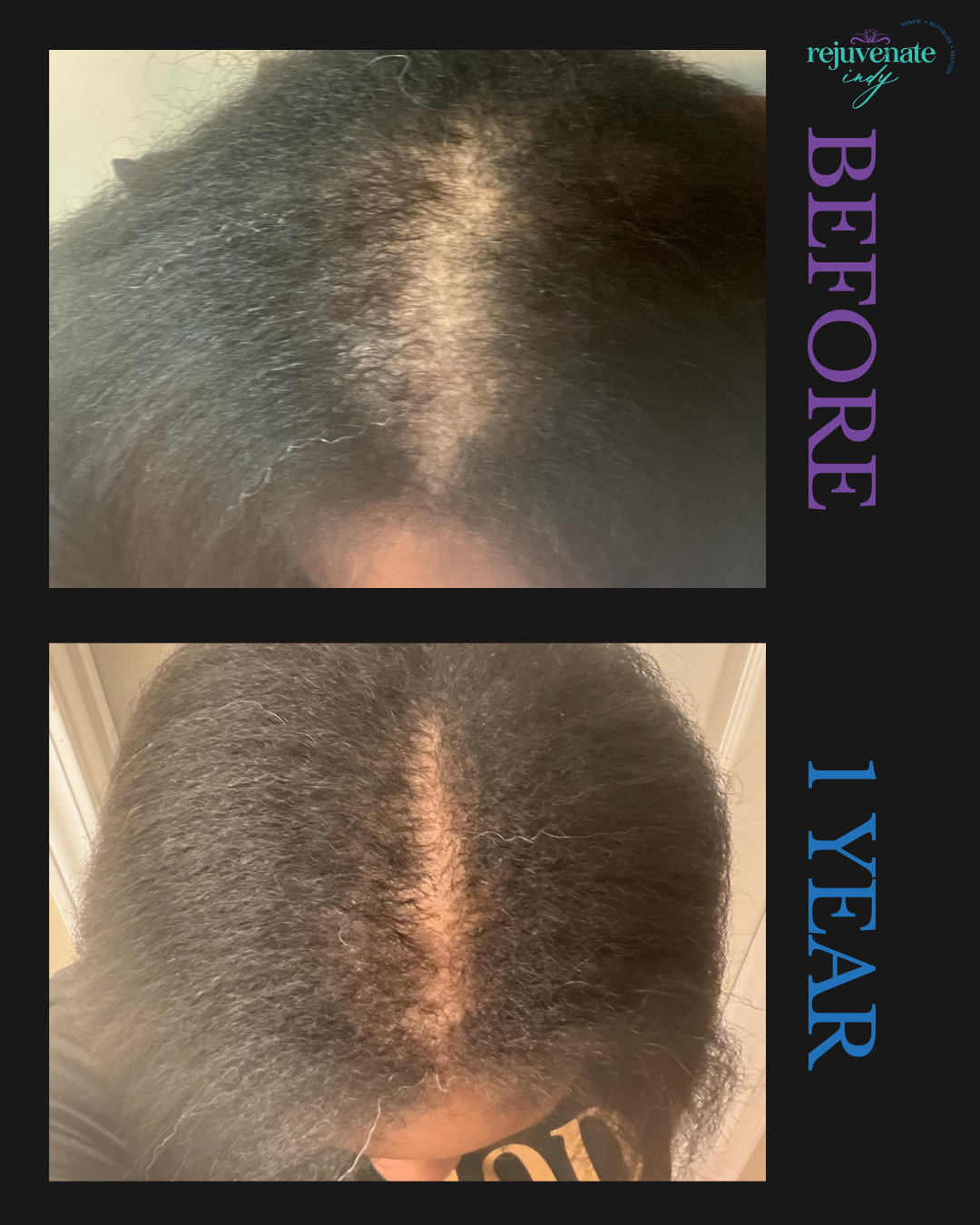
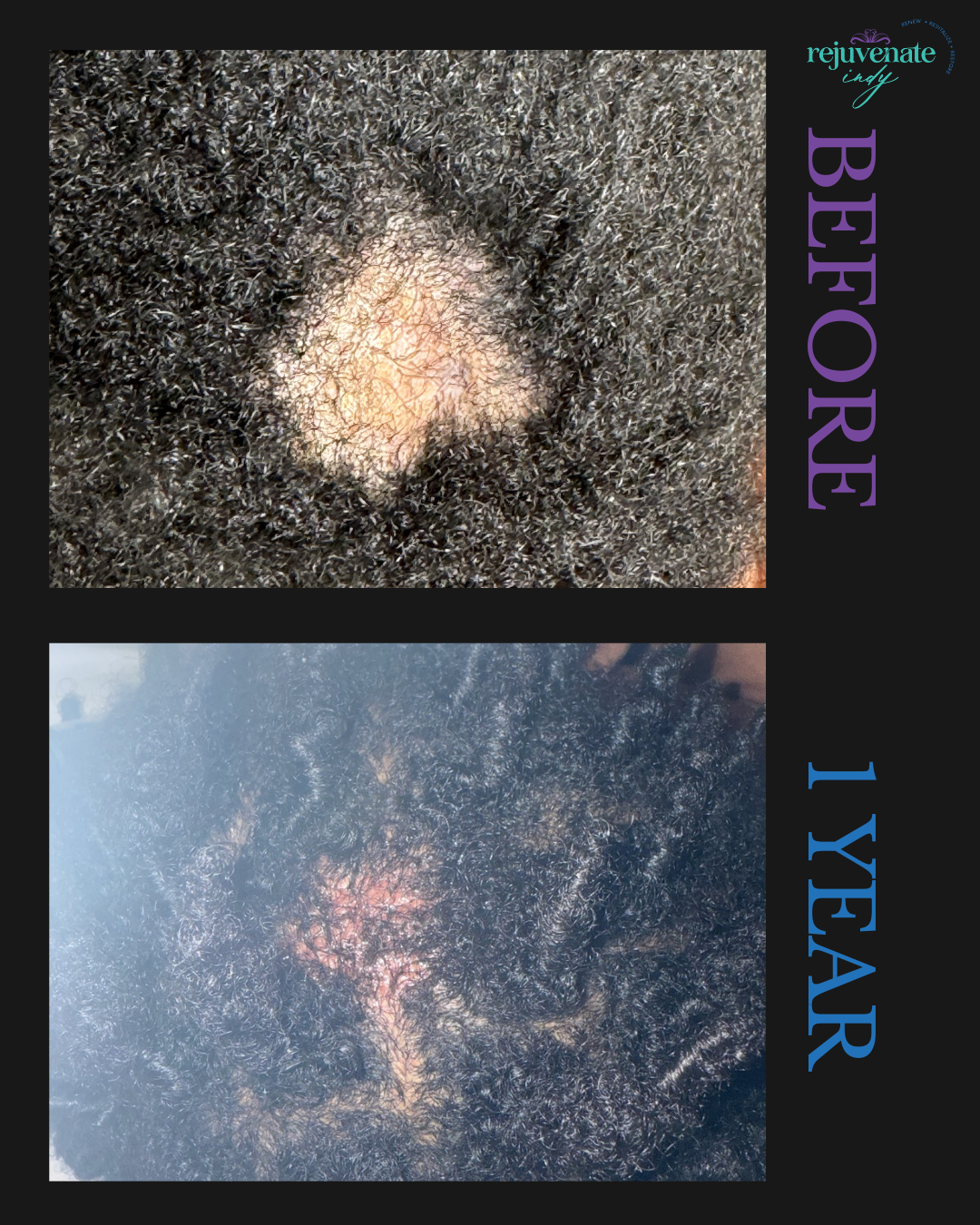
1 YEAR
1 year later—and this is what consistency looks like.
Stronger part line.
More density.
Healthier hair overall.Not perfect. Not overnight.
Just steady progress from doing the right things over time.
This is how real hair restoration works.
-
![]()
1 YEAR
1 year later—and this is real progress.
Less inflammation.
Improved coverage.
Hair growing back where it once wasn’t.Cases like this aren’t “quick fixes.”
They take:
Consistency.
The right protocol.
And actually addressing what’s going on beneath the surface.Most people are told this can’t improve.
That’s just not true.
-
![]()
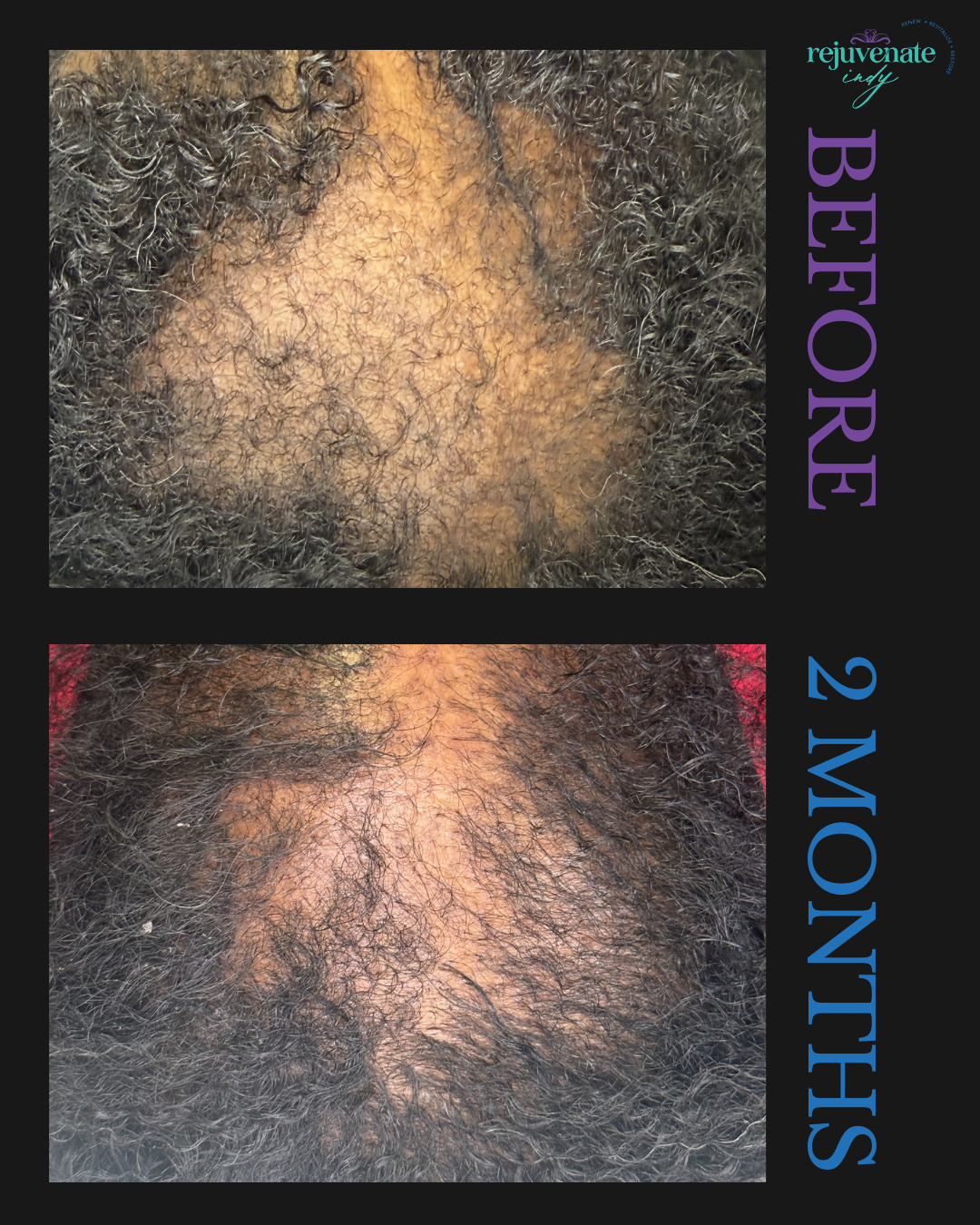
2 MONTHS
2 months in—and already seeing change.
Early regrowth.
Less inflammation.
The process is working.This is the part most people underestimate…
Hair restoration isn’t instant—but the signs start early if you’re doing it right.
Stay consistent. This is just the beginning.
DERIVE is the Core of Our Regenerative Protocol
Within our multi-modality system, Derive serves as the central regenerative signaling component.
Applied during medical microneedling, this concentrated serum:
Delivers advanced growth factor signaling molecules
Supports follicular repair and regeneration
Reduces inflammatory signaling
Improves hair shaft thickness
Optimizes the scalp microenvironment
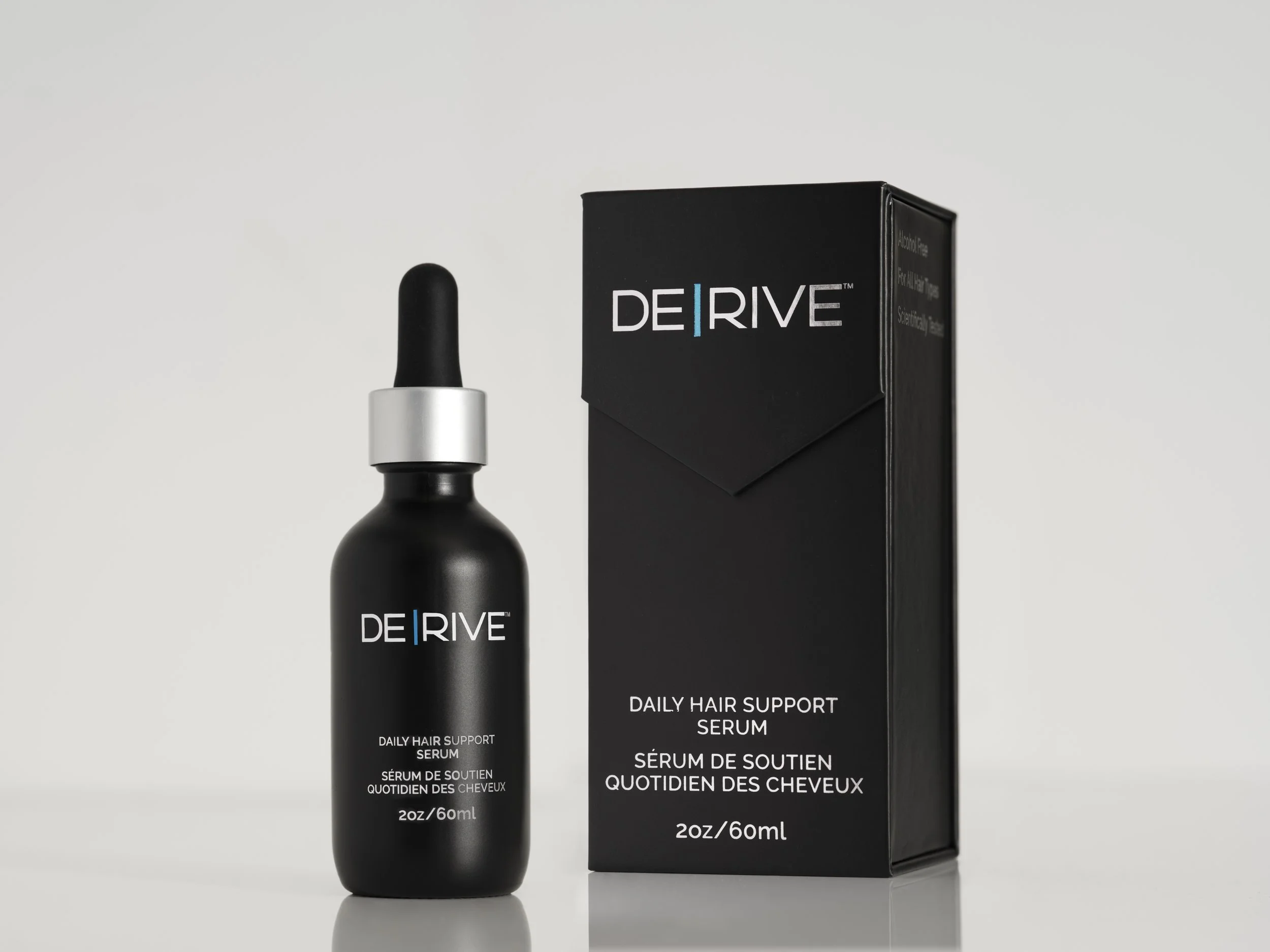
At Home Care
Regeneration is continuous.
The daily Derive serum:
Supports ongoing follicular signaling
Strengthens hair shafts
Maintains scalp health between sessions
Extends and enhances in-office results
Hair restoration requires consistency — not occasional stimulation.
Frequently Asked Questions
-
Over time, follicles undergo miniaturization, they shrink, produce thinner hairs, and may eventually become inactive.
The longer thinning continues untreated:
The more follicles weaken
The harder reversal becomes
The more aggressive intervention must be
Early treatment allows us to:
Preserve active follicles
Reverse early miniaturization
Strengthen weakened hair shafts
Slow long-term progression
Waiting reduces options. Early intervention preserves them.
-
Hair restoration is a structured process:
Monthly sessions for 3 months
Two-month rest period
Follow-up session at month 6
Maintenance plan individualized
Consistency drives measurable results.
-
Hormones play a central role in the hair growth cycle for both men and women.
In men, hair thinning is most commonly driven by androgen sensitivity, particularly to dihydrotestosterone (DHT). Over time, DHT can cause follicular miniaturization, leading to recession at the temples, thinning at the crown, and progressively finer hair growth.
In women, hormonal shifts are often more complex. Perimenopause, postpartum changes, thyroid dysfunction, low testosterone, and fluctuations in estrogen and progesterone can all contribute to diffuse thinning, increased shedding, or widening of the part line. Many women experience hair loss not from excess hormones, but from imbalance or decline.
Because hair follicles are hormone-sensitive structures, even subtle shifts can impact density, growth rate, and hair shaft thickness.
This is why we evaluate hormonal markers when clinically appropriate. Supporting hormonal balance helps stabilize follicles, reduce shedding, and improve the long-term success of regenerative hair treatments.
-
Thyroid hormones regulate metabolism at the cellular level, including within the hair follicle.
Both overt and subclinical thyroid dysfunction can disrupt the hair growth cycle. When thyroid levels are imbalanced, follicles may prematurely shift from the growth phase (anagen) into the shedding phase (telogen), resulting in diffuse thinning across the scalp.
Common thyroid-related hair changes include:
Increased shedding
Thinning along the part line
Brittle or dry hair texture
Slowed regrowth
Even mild or “borderline” thyroid imbalances can impact hair density, particularly in women.
Because the hair follicle is highly metabolically active, it is sensitive to changes in thyroid signaling. That is why we often evaluate a comprehensive thyroid panel — not just a basic screening test — when investigating hair loss.
Optimizing thyroid function helps stabilize the growth cycle and supports long-term regenerative outcomes.
-
Iron plays a critical role in the hair growth cycle.
Ferritin reflects stored iron in the body. Hair follicles require adequate iron to remain in the active growth phase (anagen). When ferritin levels are low, follicles may prematurely shift into the shedding phase (telogen), resulting in increased hair loss and reduced density.
Low ferritin is one of the most common and frequently overlooked contributors to diffuse hair thinning, particularly in women with heavy menstrual cycles, postpartum changes, or dietary iron insufficiency.
Symptoms of low iron stores may include:
Increased daily shedding
Slower regrowth
Fatigue
Brittle hair
Even when standard iron levels appear “normal,” suboptimal ferritin can still impact hair health.
For optimal follicular function, adequate iron stores are essential. Identifying and correcting low ferritin significantly improves the stability of the hair growth cycle and enhances regenerative treatment outcomes.
-
Hair follicles require adequate nutrients to maintain a healthy growth cycle. Vitamin deficiencies can disrupt this process and contribute to increased shedding, slower regrowth, and reduced hair thickness.
Vitamin D plays a particularly important role in follicular cycling and immune regulation. Low levels have been associated with increased shedding and certain inflammatory forms of hair loss. Because Vitamin D also supports cellular signaling and immune balance, suboptimal levels may impair long-term follicular stability.
Other key nutrients that influence hair health include:
B vitamins (especially B12 and folate), which support cellular energy production
Zinc, which plays a role in tissue repair and follicular function
Protein, which provides the structural building blocks of hair
Even mild deficiencies can shift follicles into the shedding phase.
Because hair growth depends on internal nutrient sufficiency, evaluating and optimizing key vitamin levels enhances regenerative outcomes and supports stronger, more resilient hair over time.
-
Hair follicles are highly metabolically active structures. They require adequate blood flow, oxygen delivery, nutrient availability, and balanced inflammatory signaling to remain in the growth phase.
Markers of metabolic health — including fasting insulin, glucose regulation, inflammatory markers, and lipid balance — can significantly influence hair density and regrowth potential.
When metabolic dysfunction is present, it may:
Increase systemic inflammation
Impair circulation to the scalp
Disrupt hormone balance
Push follicles prematurely into the shedding phase
Even in individuals who appear otherwise healthy, subtle metabolic imbalances can affect the stability of the hair growth cycle.
Because hair growth reflects internal physiology, optimizing metabolic health improves follicular resilience and enhances regenerative treatment outcomes.
-
Hair is a biologically active tissue that requires adequate nutrients to remain in the growth phase. When the body is under-fueled or lacking key nutrients, hair is often one of the first systems affected.
Protein intake is essential. Hair is primarily made of keratin, a structural protein. Inadequate protein consumption, restrictive dieting, or rapid weight loss can push follicles prematurely into the shedding phase.
Essential fatty acids, including omega-3s, play a role in reducing inflammation and supporting scalp health. Omega-3s help maintain cell membrane integrity and may improve circulation to the follicle, creating a healthier environment for sustained growth.
Highly processed diets, chronic caloric restriction, and nutrient-poor food patterns can contribute to:
Increased shedding
Slower regrowth
Thinner hair shafts
Reduced treatment response
Because hair growth reflects overall physiologic health, optimizing nutrition, including adequate protein, healthy fats, micronutrients, and anti-inflammatory support, strengthens follicular stability and improves long-term regenerative outcomes.

Struggling with hair loss? Schedule your hair restoration consultation today and take the first step toward real regrowth.
We identify and treat the root cause, so results aren’t temporary.