

BHRT
BHRT (Bioidentical hormone replacement therapy) is a natural, personalized approach to hormone therapy that uses hormones that are identical in structure to the hormones produced by the body. This therapy can help restore hormone balance and alleviate symptoms of hormonal imbalances, such as fatigue, weight gain, mood swings, and low libido.
What is BHRT?
(Bioidentical Hormone Replacement Therapy)
Bioidentical Hormone Replacement Therapy (BHRT) is a natural approach to hormone therapy that involves using hormones that are identical in structure to the hormones produced by the body. These hormones are derived from plant sources and are specially compounded to match the individual's unique hormonal needs.
BHRT is often used to treat hormonal imbalances that occur as a result of aging, menopause, and other factors. By restoring hormone levels to their optimal balance, BHRT can help alleviate symptoms such as fatigue, weight gain, mood swings, hot flashes, low libido, and more. Unlike synthetic hormones used in traditional hormone replacement therapy, bioidentical hormones are believed to be safer and more effective because they are more easily recognized and utilized by the body. Additionally,
BHRT is typically personalized to each individual's specific hormone levels and needs, making it a tailored and individualized approach to hormone therapy. BHRT can be administered in various forms, such as creams, gels, pellets, patches, and injections, and may include hormones such as estrogen, progesterone, testosterone, and DHEA. It is important to work with a qualified healthcare provider who specializes in BHRT to determine the most appropriate treatment plan for your unique hormonal profile and health goals.
Perimenopause VS Menopause
Perimenopause
Perimenopause is the transitional period leading up to menopause, usually starting in a woman's 40s but can start earlier for some women.
During perimenopause, hormone levels fluctuate, leading to irregular menstrual cycles, changes in menstrual flow, and symptoms such as hot flashes, night sweats, mood swings, and sleep disturbances.
Fertility declines during perimenopause, but pregnancy is still possible.
Symptoms of perimenopause can vary in severity and duration, lasting anywhere from a few months to several years.
Once a woman has gone 12 consecutive months without a menstrual period, she is considered to have reached menopause.
Menopause
Menopause is the point in time when a woman has not had a menstrual period for 12 consecutive months, marking the end of her reproductive years.
Menopause typically occurs around the age of 51, but it can happen earlier or later for some women.
Hormone levels, particularly estrogen and progesterone, decline significantly during
Menopause, leading to symptoms such as hot flashes, night sweats, vaginal dryness, mood changes, and changes in bone density.
Menopausal symptoms can vary in severity and duration, with some women experiencing more severe symptoms than others.
After menopause, a woman is at increased risk for conditions such as osteoporosis, heart disease, and certain cancers due to the decline in estrogen levels.
Get to know your Hormones
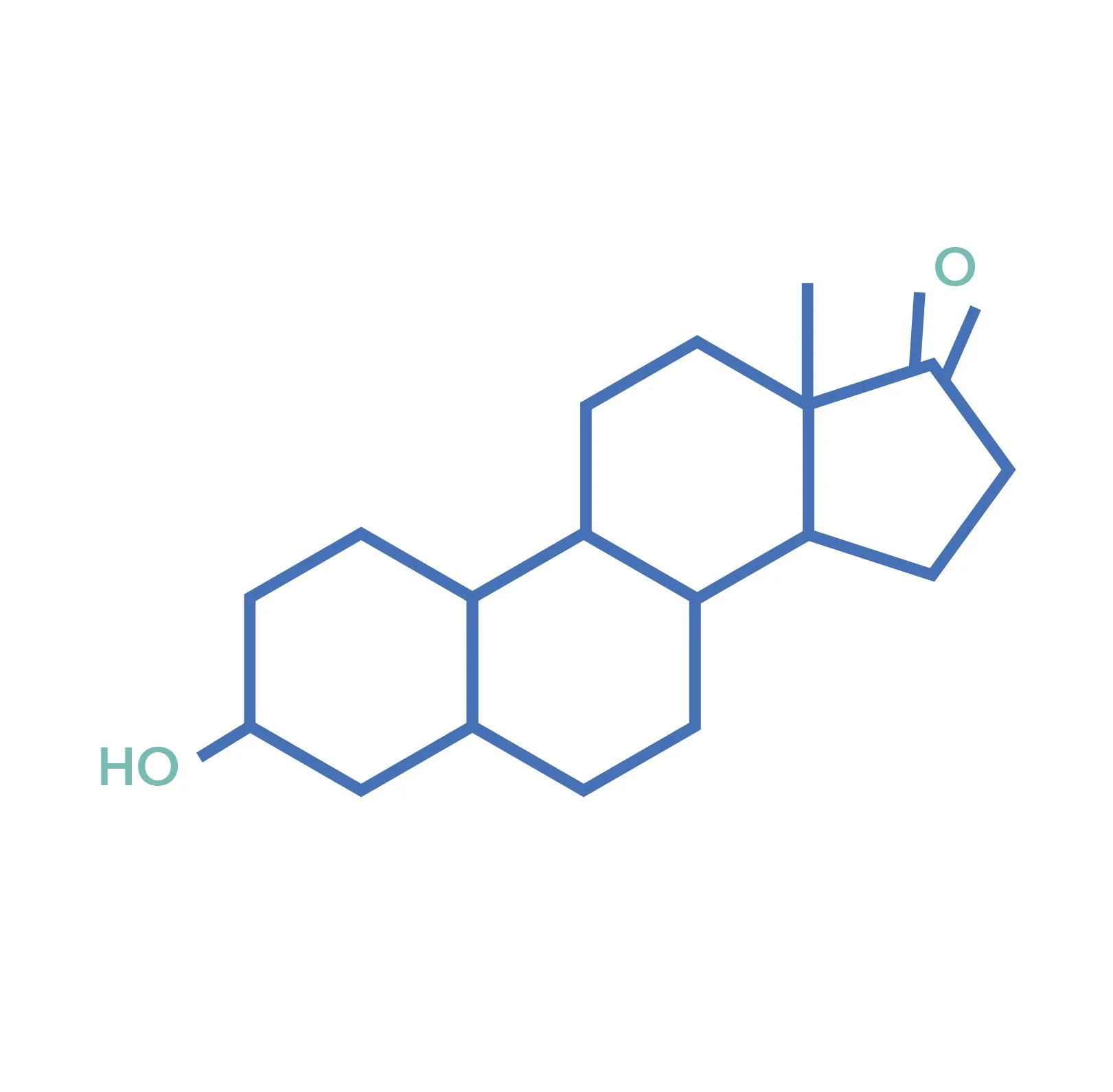
Estrogen
Estrogen, named the primary female hormone has over 400 critical functions. There are three types of Estrogen and each has a unique role. They are Estrone (E1), Estradiol (E2) & Estriol (E3) As women age we can see fluctuations in Estrogen, which can lead to signs of excess estrogen and estrogen deficiency. Estrogen is also impacted by progesterone as an unbalanced estrogen-to progesterone ratio can lead to Estrogen Dominance.
Symptoms of Unbalanced Estrogen
-
Fluid Retention
Hormonal headaches
Irritability
Breast pain/fibrocystic breasts
Fibroids
Heavy menstrual bleeding
Irregular periods
Short cycles
-
Hot Flashes
Night Sweats
Poor memory/concentration
Joint Pains
Weight Gain
Fatigue
Light cycles
Vaginal Dryness
Urinary incontinence
Frequent urinary tract infections
Depression/Anxiety
Carb Cravings
Low libido
Poor Stress Intolerance
-
Antioxidant
Decreases plaque formation
Lowers LDL
Memory protection
Improves mood and neurotransmitters
Decreases risk of Alzheimer
Improves skin moisture
Reduces pore size
Increases collagen
Improves vaginal dryness
Reduces incidence of UTI’s
Increase energy
Improves carb metabolism

Progesterone Deficiency
Typically the first hormone to decline in women. Declining levels of progesteronecan occur in women as early as their 30s.
Unbalanced Progesterone and estrogen leads to Estrogen Dominance. Estrogen dominance occurs when the body produces too much estrogen or when the body does not have adequate progesterone levels to balance estrogen.
-
Weight Gain
Hair loss
Fluid retention
Acne
Facial hair
Foggy thinking
Sleep disturbances
Breast pain
PMS
Heavy Cycles
Long cycles
Irregular cycles
Frequent cycles
Cramps
Anxiety/depression
Irritability
Mood swings
-
Counters acts estrogen dominance
Increases production of collagen and elastin (improved skin
Reduces Irritability/anxiety
Promotes Sleep
Increases exercise endurance
Increases metabolic rate
Decreases hot flashes
Opposes cortisol (stress hormone)
Lowers cholesterol

Testosterone
Testosterone is the underrated star of BHRT for women. Did you know women actually produce more testosterone than they do estrogen? Levels of testosterone typically peak for women in their 20-30's and then begin to decline. Low testosterone in women has significant effects on overall quality of life and is often overlooked and dismissed. Testosterone replacement is a game changer for many women.
-
Loss of libido
Lack of motivation
loss of muscle tone
Loss of sense of well being
Vaginal Dryness
Aches & Pain
Fatigue
Insomnia
Thinning skin
Dry eyes
-
Increases muscle tone
Maintains lean body mass
Improves stamina
Improves libido
Improves mood
Improves bone density
Improves energy
Reduces fractures
Reduces vaginal dryness
Reduces incontinence
Lowers cholesterol
Improves insulin sensitivity
Weight loss
BHRT Delivery Methods
Oral
Oral Estrogen and Testosterone are not appropriate options for BHRT.

Topical
Topical BHRT is a great option for those starting BHRT. Topical creams can be applied in various locations on the body, including vaginally. Topical creams are easy to discontinue if needed, and are very cost-effective method.

Pellets
Pellets are considered by many to be the gold standard for BHRT and are often the most effective form of symptom relief for patients. Testosterone and estrogen pellets offer a smooth and consistent delivery of hormones. Your provider will discuss if pellet therapy is the right option for you. However, it is important to note that pellets do require a minor procedure for insertion.

Estrogen dominance is a hormonal imbalance that occurs when there is an excess of estrogen in relation to progesterone in the body. While estrogen is an important hormone for female reproductive health and other bodily functions, an imbalance where estrogen levels are too high compared to progesterone can lead to a variety of symptoms and health issues.
What is Estrogen Dominance
Irregular menstrual cycles
Heavy or painful periods
Breast tenderness
Mood swings
Weight gain, especially around
the hips and thighsFatigue
Headaches
Insomnia
Decreased libido
Hair loss
Some common symptoms of estrogen dominance include:

Estrogen dominance can be caused by a variety of factors, including:
Excessive estrogen production in the body
Inadequate progesterone production
Environmental factors such as exposure to xenoestrogens (chemicals that mimic estrogen in the body)
Poor liver function, which can impair estrogen metabolism and clearance from the body
Stress, which can disrupt hormone balance
Managing estrogen dominance typically involves addressing the underlying causes of the imbalance. This may include lifestyle changes such as maintaining a healthy diet, managing stress, getting regular exercise, and reducing exposure to environmental toxins. In some cases, hormone therapy or supplementation with progesterone may be recommended to help rebalance estrogen levels. If you suspect you may have estrogen dominance, it is important to consult with a healthcare provider who specializes in hormone health to determine the
PCOS

Polycystic ovary syndrome (PCOS) is a hormonal disorder that affects women of reproductive age. It is characterized by an imbalance of reproductive hormones, which can lead to a variety of symptoms such as irregular menstrual cycles, ovarian cysts, infertility, weight gain, acne, and excess hair growth. Managing PCOS integratively involves a comprehensive approach that addresses the underlying hormonal imbalances, as well as the symptoms and health risks associated with the condition. Some integrative strategies for managing PCOS include:
1. Diet and Nutrition:
2. Exercise:
3. Stress Management
4. Supplements:
5. Hormone Balancing Therapies
-
BHRT uses hormones that are identical in structure to the hormones produced by the body, while traditional hormone replacement therapy often uses synthetic hormones. This makes BHRT a more natural and personalized approach to hormone therapy.
-
BHRT can help alleviate symptoms of hormone imbalances such as fatigue, weight gain, mood swings, low libido, and hot flashes. It can also support overall hormone balance and improve quality of life.
-
BHRT can be administered in various forms including creams, gels, patches, pellets, and injections. The method of administration will depend on the individual's specific hormone needs and preferences.
-
BHRT is considered safe and effective when prescribed and monitored by a qualified healthcare provider. It can be a valuable treatment option for addressing a variety of hormone-related symptoms and conditions.
-
A healthcare provider specializing in BHRT can assess your hormone levels through testing and determine if BHRT is a suitable treatment option based on your symptoms and health history.
-
While BHRT is generally well-tolerated, potential risks and side effects may include changes in bleeding patterns, breast tenderness, and mood changes. These should be discussed with your healthcare provider.
-
The timeline for experiencing results from BHRT can vary depending on individual hormone levels and response to treatment. Some individuals may notice improvements in symptoms within a few weeks, while others may take longer.
Frequently Asked Questions

Ready to start your Hormone Optimization Journey? Book a Discovery Call Today! If you prefer an online experience, TeleHealth options are also available.