
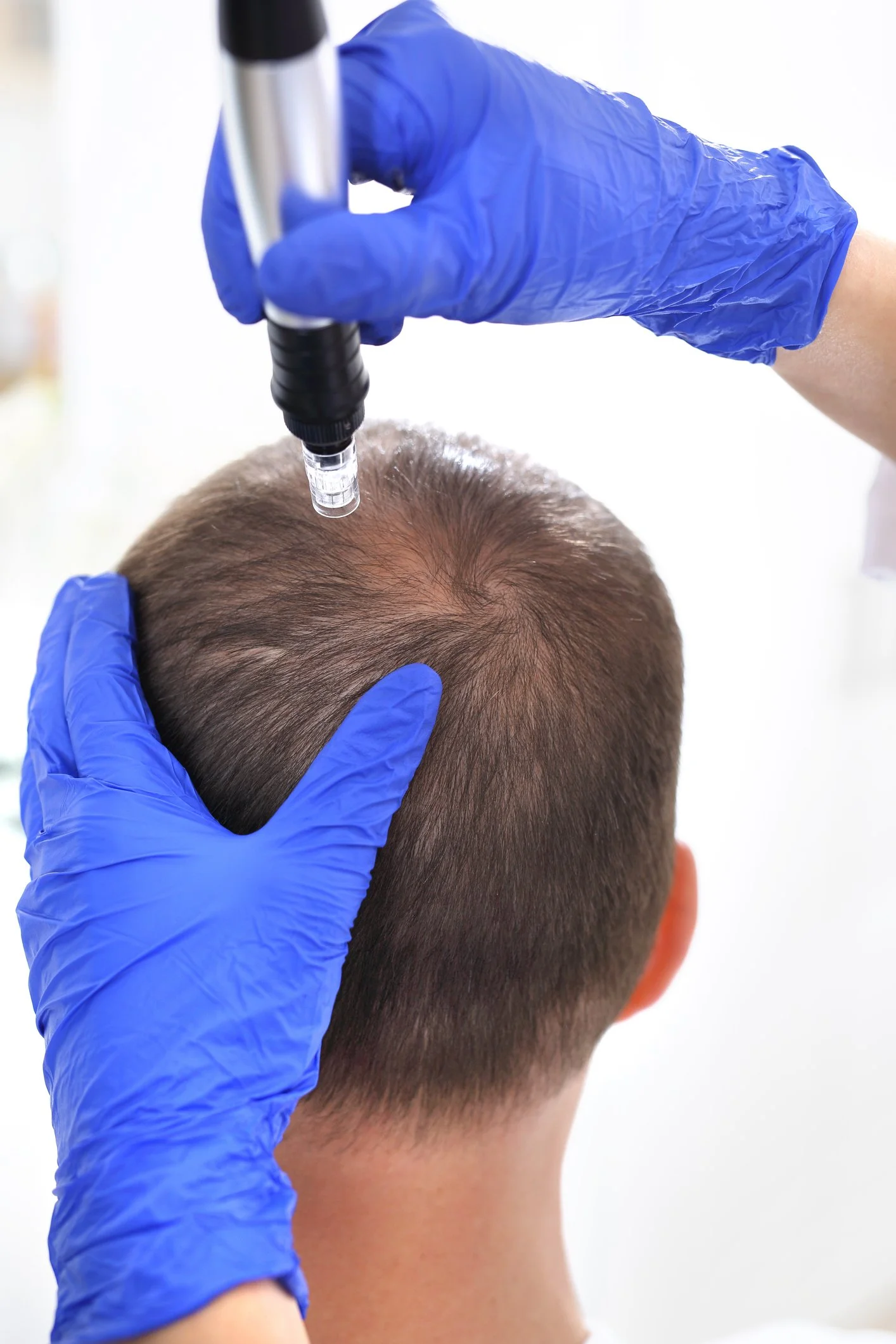
Regenerative Hair Restoration
Restore Stronger, Healthier Hair with a Personalized Medical Approach
Hair loss is rarely caused by a single factor. Our comprehensive hair restoration program combines advanced regenerative therapies with functional medicine to identify underlying causes, support healthier follicles, and promote long-term hair growth.
Why Choose Rejuvenate Indy for Hair Restoration
Healthy Hair Starts Beneath the Surface. Successful hair restoration is about more than stimulating the scalp. Long-term results begin with understanding why hair loss is occurring and addressing the underlying factors that may be contributing to it.
At Rejuvenate Indy, we combine regenerative medicine with a functional medicine approach to create personalized treatment plans that support healthier follicles, improve scalp health, and promote stronger, thicker hair. Rather than relying on a one-size-fits-all solution, we evaluate the whole picture to develop a strategy tailored to your unique biology, health history, and goals.
Our comprehensive approach may include:
Comprehensive medical evaluation
Laboratory testing when clinically indicated
Medical microneedling
Derive Hair System
Ultra+ follicular optimization
Shockwave therapy
Medical-grade red light therapy
Hormone optimization when appropriate
Nutritional and lifestyle recommendations
Ongoing treatment monitoring and maintenance
The Rejuvenate Indy Difference
We Look Beyond the Scalp
Hair loss is often influenced by much more than genetics. Hormonal imbalances, thyroid dysfunction, iron deficiency, nutritional status, metabolic health, inflammation, stress, and other medical conditions can all affect the health of your hair follicles. By identifying these contributing factors, we create treatment plans that address both the scalp and the biology that supports healthy hair growth.
We Use a Multi-Modality Regenerative Approach
Healthy hair growth depends on more than a single treatment. Our approach combines multiple regenerative therapies that work together to support circulation, cellular signaling, inflammation control, tissue repair, and overall follicular health.
Depending on your individualized treatment plan, your care may include medical microneedling, the Derive Hair System, Ultra+, shockwave therapy, medical-grade red light therapy, and additional therapies such as hormone optimization, peptide therapy, or platelet-rich plasma (PRP) when clinically appropriate.
Every Treatment Plan Is Personalized
No two patients experience hair loss for the same reason, which is why no two treatment plans should be identical.
Your recommendations are based on your medical history, scalp evaluation, treatment goals, laboratory findings when indicated, and response to therapy. As your hair improves and your needs change, your treatment plan can evolve to help preserve your results and support long-term follicular health.
Our Commitment to You
Our goal is simple: to identify the underlying cause of your hair loss, create the healthiest possible environment for your hair follicles, and provide personalized regenerative care that supports stronger, healthier hair for years to come.
Proudly serving patients throughout Central Indiana, including Indianapolis, Greenwood, Bargersville, Franklin, Whiteland, Carmel, Fishers, Noblesville, Westfield, Zionsville, Avon, Brownsburg, Plainfield, and surrounding communities.
Most hair loss is a symptom, not the root problem.
Common Causes of Hair Loss
Hair loss is rarely caused by just one thing. In many cases, multiple factors are affecting the health of the hair follicle and disrupting the normal growth cycle. Identifying these underlying contributors allows us to create a personalized treatment plan that supports healthier, stronger hair.
Common causes of hair loss include:
Hormonal imbalances, including changes in testosterone, estrogen, progesterone, and DHT
Thyroid dysfunction, including hypothyroidism, hyperthyroidism, and Hashimoto's thyroiditis
Iron deficiency and low ferritin
Vitamin and nutrient deficiencies, including vitamin D, vitamin B12, zinc, and inadequate protein intake
Metabolic dysfunction and insulin resistance
Chronic stress and elevated cortisol
Inflammation
Postpartum hair loss
Perimenopause and menopause
Rapid weight loss or restrictive dieting
Certain medications and underlying medical conditions
Genetics and age-related hair thinning
At Rejuvenate Indy, we believe successful hair restoration begins by understanding why hair loss is occurring. While regenerative treatments help stimulate the scalp and support healthier follicles, identifying and addressing underlying contributors helps maximize your results and supports healthier hair for the long term.
Conditions We Treat
Hair loss is not one-size-fits-all, and neither is treatment. At Rejuvenate Indy, we evaluate the underlying cause of your hair loss to develop a personalized treatment plan based on your biology, medical history, and goals.
Our regenerative hair restoration program may be appropriate for individuals experiencing:
Male pattern hair loss (androgenetic alopecia)
Female pattern hair loss
Diffuse hair thinning
Receding hairline
Crown thinning
Widening of the part line
Increased daily shedding
Postpartum hair loss
Perimenopausal and menopausal hair thinning
Hair loss associated with thyroid dysfunction
Hair loss related to iron deficiency or low ferritin
Hair thinning following rapid weight loss, including after GLP-1 medications
Stress-related hair loss (telogen effluvium)
Hair thinning associated with hormonal imbalance
Hair loss related to vitamin or nutritional deficiencies
Every patient's hair loss story is different. Our goal is to identify the factors contributing to your hair loss and develop a treatment strategy that supports healthier follicles, slows progression, and promotes stronger, thicker hair over time.
Who Is a Good Candidate for Hair Restoration?
The best candidates for regenerative hair restoration are individuals who have noticed recent or progressive hair thinning and want to take action before more follicles become inactive.
You may be a good candidate if you have noticed:
A widening part line
A receding hairline
Thinning at the crown
Increased hair shedding
Decreased hair density
Hair that feels finer or weaker than it once did
Hair loss following pregnancy, illness, significant stress, or rapid weight loss
Hair thinning related to hormonal changes, thyroid dysfunction, or nutritional deficiencies
A desire for a non-surgical approach to hair restoration
The earlier treatment begins, the greater the opportunity to preserve existing hair and support healthy regrowth. During your consultation, we will perform a comprehensive evaluation, review your health history and laboratory findings when appropriate, and develop a personalized treatment plan based on your individual needs.
Why Early Intervention Matters
Hair loss is a progressive process. In many cases, hair follicles do not stop producing hair overnight. Instead, they gradually become smaller over time, producing finer, weaker hairs with each growth cycle. This process is known as follicular miniaturization.
The earlier hair loss is identified and treated, the greater the opportunity to preserve existing follicles and support healthier, thicker hair. Once a follicle has remained inactive for an extended period of time, restoring meaningful growth becomes much more difficult.
Early intervention allows us to:
Preserve active hair follicles
Slow the progression of hair loss
Support healthier, thicker hair growth
Address underlying medical conditions that may be contributing to hair loss
Improve the effectiveness of regenerative therapies
Many patients wait until they have lost a significant amount of hair before seeking treatment. Starting treatment when you first notice increased shedding, thinning, or changes in hair density often provides the greatest opportunity for long-term success.
HAIR RESTORATION PROCESS
Hair restoration isn’t guesswork. It’s a step-by-step process designed to identify the root cause and support real regrowth.
Identify the Root Cause
We start by evaluating what’s driving your hair loss- hormonal imbalances, thyroid dysfunction, nutrient deficiencies, inflammation, or stress-related factors.
Build a Personalized Plan
No two patients are the same. We create a customized protocol based on your labs, symptoms, and goals.
Consultation
Stimulate Hair Regrowth
We use advanced treatments such as microneedling, exosomes, and PRP to improve circulation, activate follicles, and support new growth.
Support Internal Healing
Hair growth starts from within. We address nutrition, hormones, and metabolic factors to create the right environment for regrowth.
Stimulate Hair Growth
Monitor and Adjust
We track your progress and adjust your plan as needed to ensure continued improvement over time
Follow Up
What to Expect During Your Hair Restoration Journey
Your Journey at a Glance
Hair restoration is a gradual process that requires time, consistency, and a personalized approach. Because hair grows in natural cycles, meaningful improvements develop over several months rather than overnight. Our goal is to create the healthiest possible environment for your hair follicles while addressing the underlying factors that may be contributing to hair loss.
Every patient's journey is unique. Your timeline will depend on the cause of your hair loss, how long it has been present, your overall health, and your body's response to treatment.
Step 1: Consultation & Evaluation
Your journey begins with a comprehensive consultation. We will review your medical history, discuss your hair loss concerns and goals, perform a thorough scalp evaluation, and determine whether additional laboratory testing is appropriate.
When clinically indicated, laboratory testing may help identify contributing factors such as hormonal imbalances, thyroid dysfunction, iron deficiency, nutritional deficiencies, inflammation, or metabolic concerns.
Using this information, we develop a personalized treatment plan tailored specifically to your needs.
Step 2: Personalized Treatment Plan
Based on your evaluation, we create a customized treatment plan designed to address both the health of your scalp and the underlying factors contributing to hair loss.
Your treatment plan may include:
Medical microneedling
Derive in-office regenerative serum
Derive Daily Serum
Ultra+ follicular optimization
Shockwave therapy
Medical-grade red light therapy
Hormone optimization when appropriate
Nutritional recommendations
Additional regenerative therapies when clinically indicated
No two treatment plans are exactly alike because no two patients experience hair loss for the same reasons.
Step 3: Regenerative Hair Restoration Treatments
Once treatment begins, our focus shifts to creating the healthiest possible environment for your hair follicles.
During the first several weeks, many patients notice improvements in scalp health and a reduction in excessive shedding. While visible hair growth may still be limited, important regenerative processes are taking place beneath the surface as follicles begin responding to treatment.
As the natural hair cycle progresses, healthier follicles begin producing stronger, thicker hair, with gradual improvements in texture, density, and overall fullness over the following months.
Step 4: Daily Home Care & Long-Term Success
Successful hair restoration doesn't end when you leave the office.
Your personalized home care program, including the Derive Daily Serum and other recommended therapies, plays an important role in supporting follicular health between treatments and maintaining your long-term results.
Depending on your response and treatment goals, periodic maintenance treatments may also be recommended to help preserve healthy hair growth.
Every Patient's Results Are Unique
No two patients experience hair restoration the same way. Your results are influenced by many factors, including:
The underlying cause of your hair loss
How long has hair loss been present
Genetics
Hormonal balance
Thyroid function
Iron and nutrient status
Metabolic health
Overall health and lifestyle
Consistency with treatment and home care
Our goal is to optimize every factor we can reasonably influence while creating the healthiest possible environment for your hair follicles. Throughout your treatment, we will continue to monitor your progress, answer your questions, and personalize your care to help you achieve the best possible outcome.
Our Philosophy
Hair restoration is a journey, not a quick fix.
The healthiest, most sustainable results come from identifying the underlying contributors to hair loss, beginning treatment early, and remaining consistent with your personalized treatment plan.
Our goal is not simply to encourage new hair growth. It is to preserve the healthy follicles you already have, optimize the environment in which they grow, and help you achieve healthier, stronger hair for years to come.
The Science Behind Our Approach
Derive In-Office Regenerative Serum
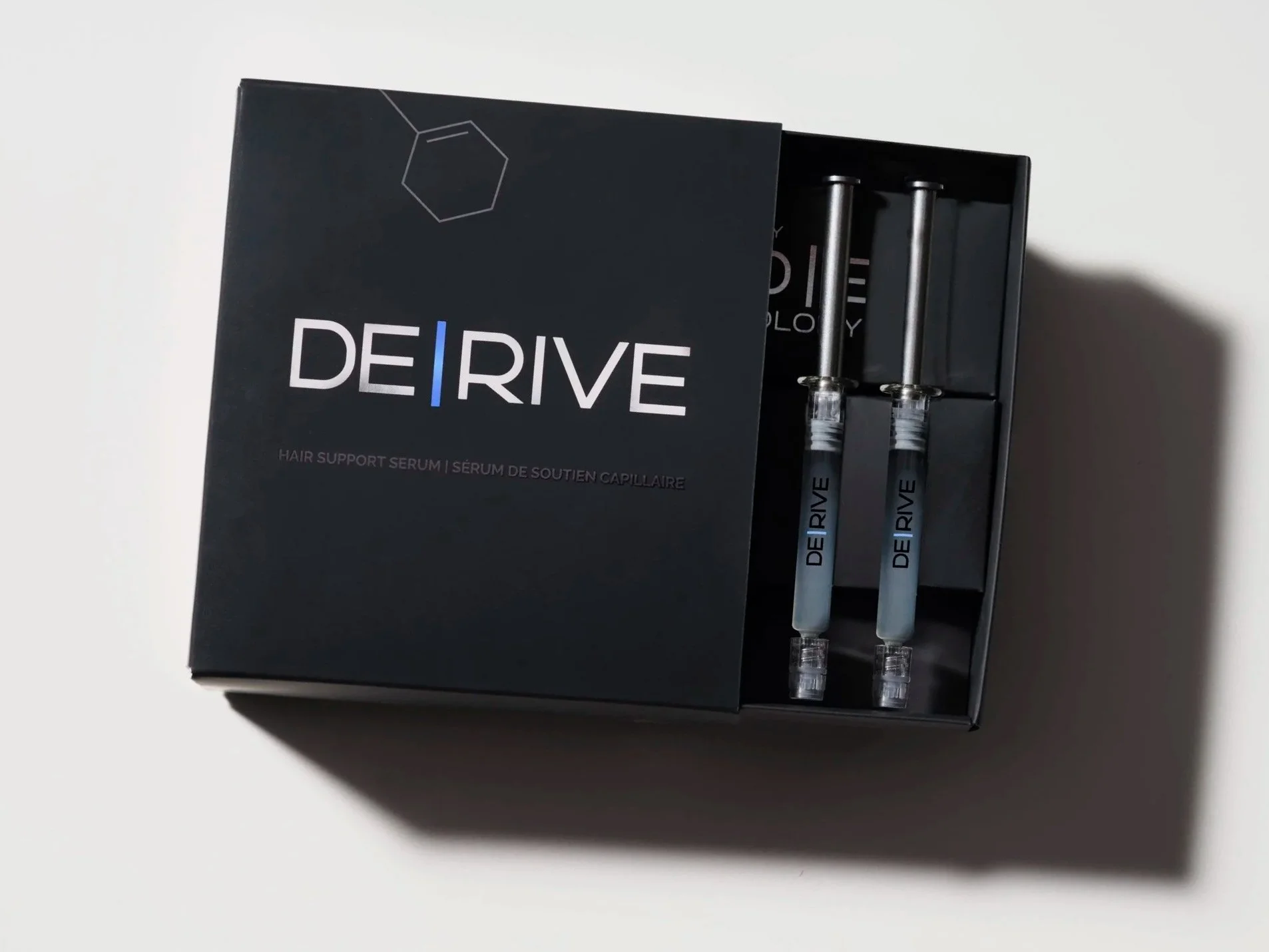
Purpose: Deliver Intensive Regenerative Support
The Derive In-Office Regenerative Serum is one of the cornerstone treatments in our regenerative hair restoration program. This highly concentrated formula contains approximately 20 times the concentration of the daily home serum and is applied during your in-office treatments.
Using advanced ultrasound technology, the serum is delivered deep into the scalp to maximize penetration and support cellular communication, tissue repair, and healthy follicular function. This concentrated treatment helps create an optimal environment for healthier, stronger hair growth.
Recognized as a 2024–2025 Best in Nonsurgical Hair Restoration Innovation, the Derive Hair System represents an advanced approach to regenerative hair restoration.
Benefits
Delivers intensive regenerative support directly to the scalp
Supports cellular communication and follicular function
Promotes tissue repair and scalp health
Encourages stronger, healthier hair growth
Designed to work as part of a comprehensive treatment program
Ultra+ Ultrasound Delivery System
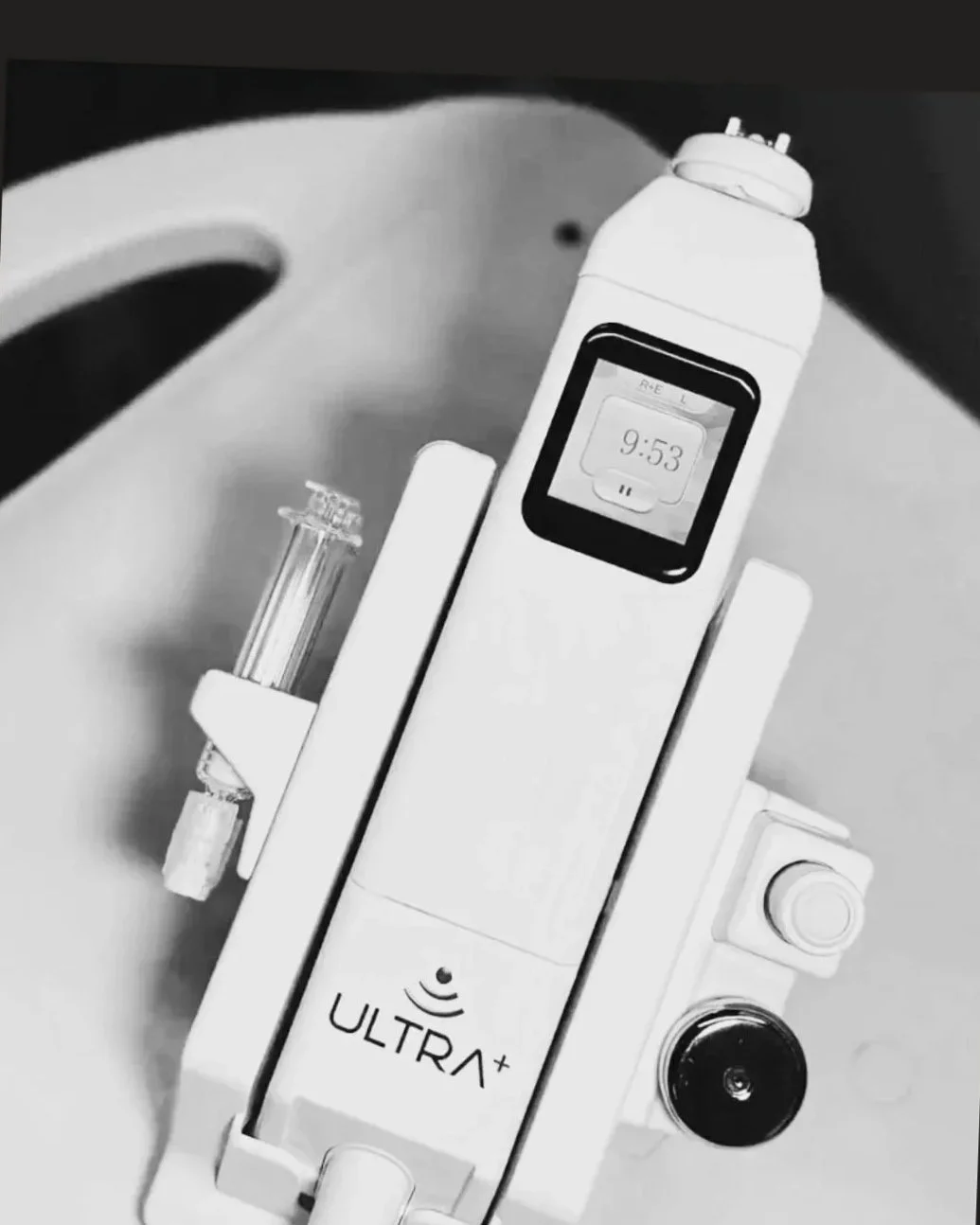
Purpose: Deliver Regenerative Therapy Comfortably and Effectively
The Ultra+ Ultrasound Delivery System is an advanced, needle-free technology that helps optimize the delivery of the Derive In-Office Regenerative Serum into the scalp. Using ultrasound energy, it supports the application of regenerative ingredients while providing a comfortable, pain-free treatment experience.
For many patients, Ultra+ is our preferred delivery method because it allows us to provide regenerative therapy without needles, discomfort, or downtime. This makes treatment an excellent option for patients who prefer a non-invasive approach while still benefiting from our comprehensive regenerative hair restoration program.
Depending on your individual treatment plan and response to therapy, additional regenerative modalities such as medical microneedling may be recommended to further enhance treatment outcomes.
Benefits
Comfortable, needle-free treatment experience
Helps optimize delivery of the Derive In-Office Regenerative Serum
Non-invasive with little to no downtime
Supports a healthy scalp environment
Complements your personalized hair restoration treatment plan
Shockwave Therapy
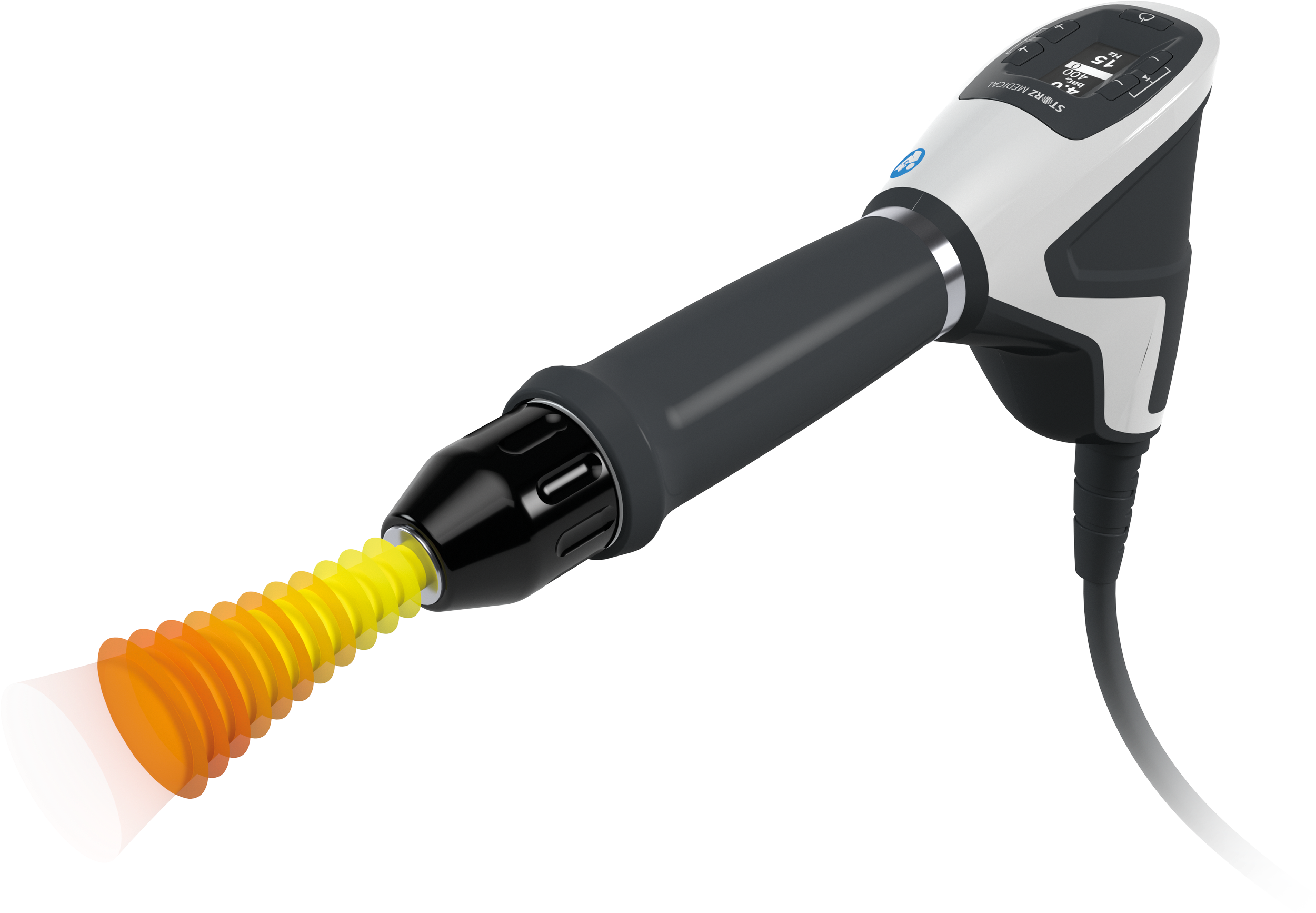
Purpose: Improve Circulation & Support Follicular Health
Extracorporeal Shockwave Therapy (ESWT) uses acoustic waves to stimulate circulation and activate the body's natural regenerative response within the scalp. Improved blood flow helps deliver oxygen and nutrients to active hair follicles while supporting healthy tissue function.
Shockwave therapy is incorporated into many treatment plans to help create a healthier scalp environment and complement our regenerative hair restoration protocol.
Benefits
Supports healthy scalp circulation
Enhances oxygen and nutrient delivery
Promotes tissue regeneration
Supports healthy follicular function
Complements regenerative hair restoration treatments
Medical Microneedling
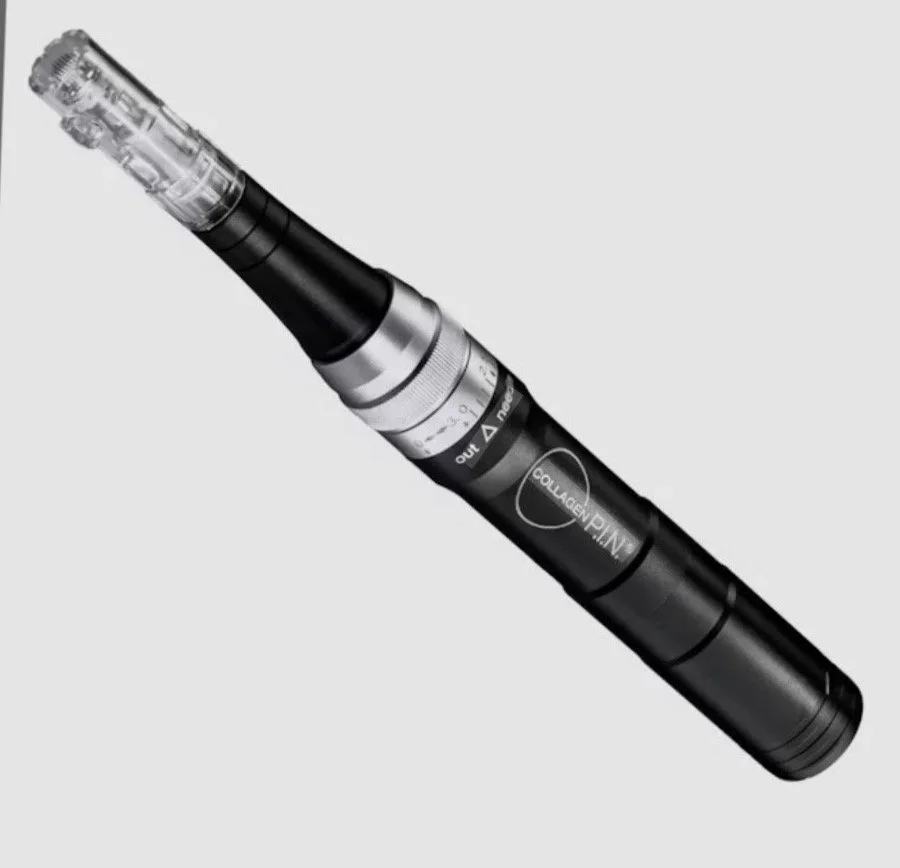
Purpose: Enhance the Regenerative Response
Medical microneedling creates controlled microchannels within the scalp to stimulate the body's natural healing response and support regenerative activity. It may also enhance the delivery of topical regenerative therapies.
While many patients begin treatment with our comfortable, needle-free Ultra+ Ultrasound Delivery System, medical microneedling may be incorporated when additional stimulation is clinically appropriate or when we are looking to further enhance treatment response.
Benefits
Stimulates the body's natural regenerative response
Supports healthy follicular activity
Enhances delivery of topical regenerative therapies
Promotes healthier scalp tissue
Used selectively based on your treatment goals
Platelet-Rich Plasma (PRP) & Platelet-Rich Fibrin (PRF)
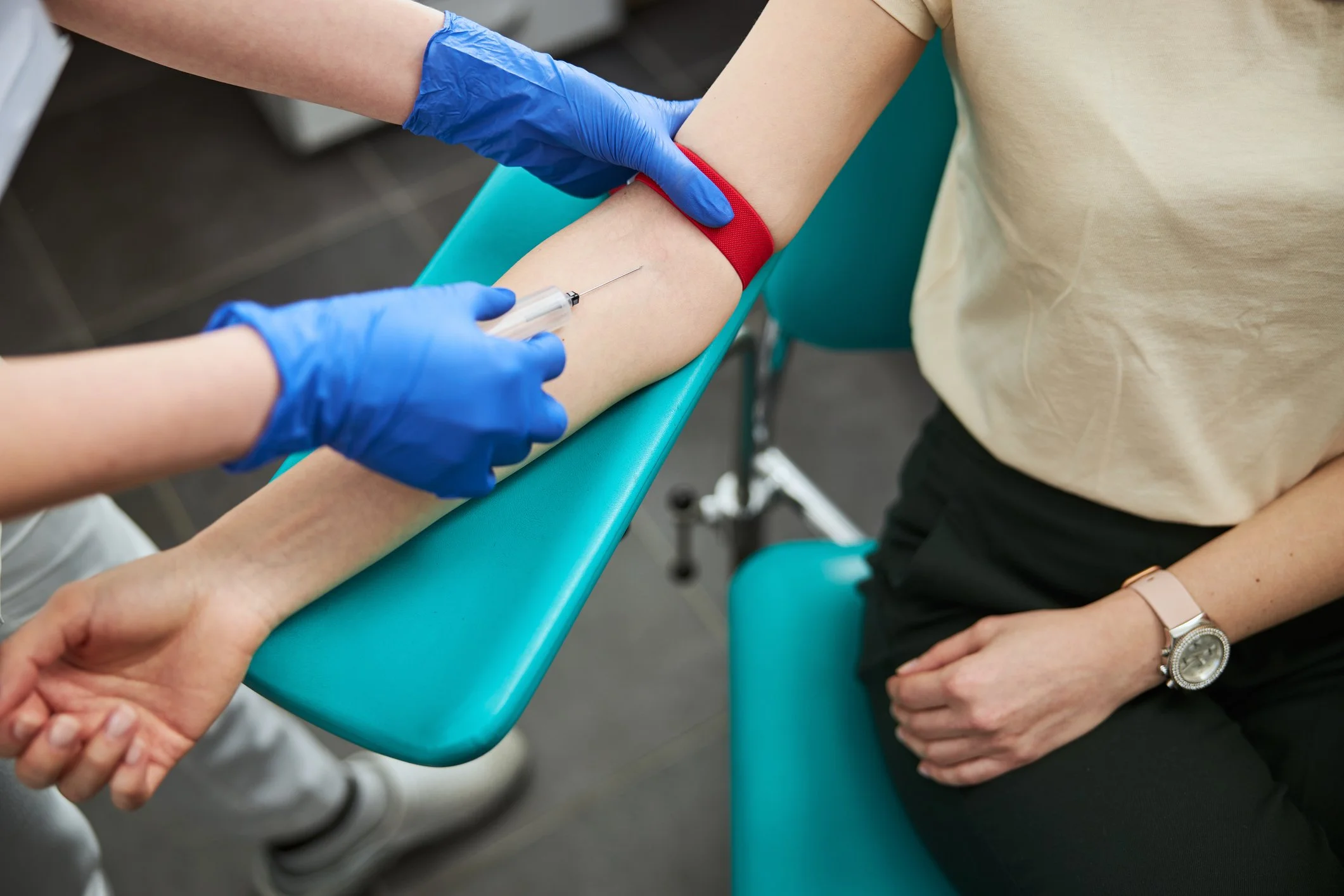
Purpose: Additional Regenerative Support When Indicated
PRP and PRF use concentrated platelets and growth factors derived from your own blood to support tissue repair and healthy follicular function.
At Rejuvenate Indy, PRP and PRF are not part of every treatment plan. They are recommended selectively for patients who may benefit from additional regenerative support or who have not achieved their desired response with our core treatment protocol.
PRF differs from PRP by providing a slower, more sustained release of growth factors, allowing continued regenerative activity over time.
Benefits
Supports healthy follicular regeneration
Promotes tissue repair
Encourages thicker, healthier hair
May enhance treatment outcomes in appropriate patients
Personalized based on your individual needs
Derive Daily Serum
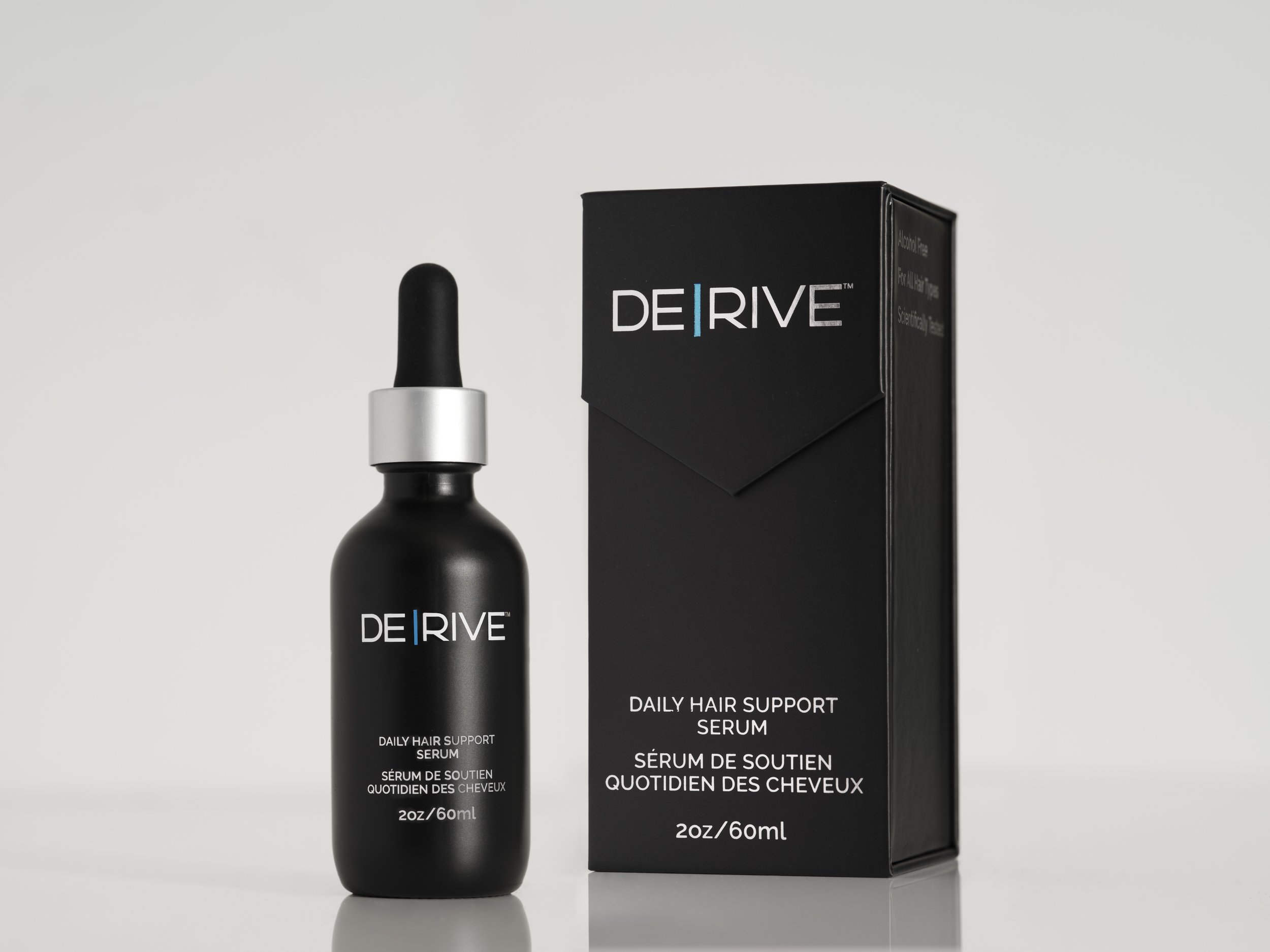
Purpose: Maintain Progress Between Treatments
Healthy hair restoration doesn't stop when you leave the office. The Derive Daily Serum is designed to reinforce your in-office treatments by providing ongoing regenerative support between visits.
While the daily serum contains a lower concentration than the professional in-office treatment, consistent daily use helps maintain a healthy scalp environment and supports long-term follicular health.
Think of the in-office treatment as the foundation and the daily serum as the maintenance that helps preserve and build upon your results.
Benefits
Supports daily follicular health
Reinforces in-office treatments
Helps maintain a healthy scalp environment
Encourages consistent long-term results
Easy to incorporate into your daily routine
Additional Therapies When Appropriate
Every patient's treatment plan is unique. While our regenerative hair restoration program serves as the foundation of care, some patients may benefit from additional therapies based on their diagnosis, medical history, laboratory findings, and treatment goals.
These may include:
Topical or oral minoxidil
Finasteride or dutasteride
Home red light therapy
Select peptide therapies
Other evidence-informed treatments when clinically appropriate
Our goal is never to recommend more treatment than you need. Instead, we create a personalized plan using the therapies most likely to benefit your specific type of hair loss.
Hair Restoration Results
Case Study: Female Pattern Hair Loss
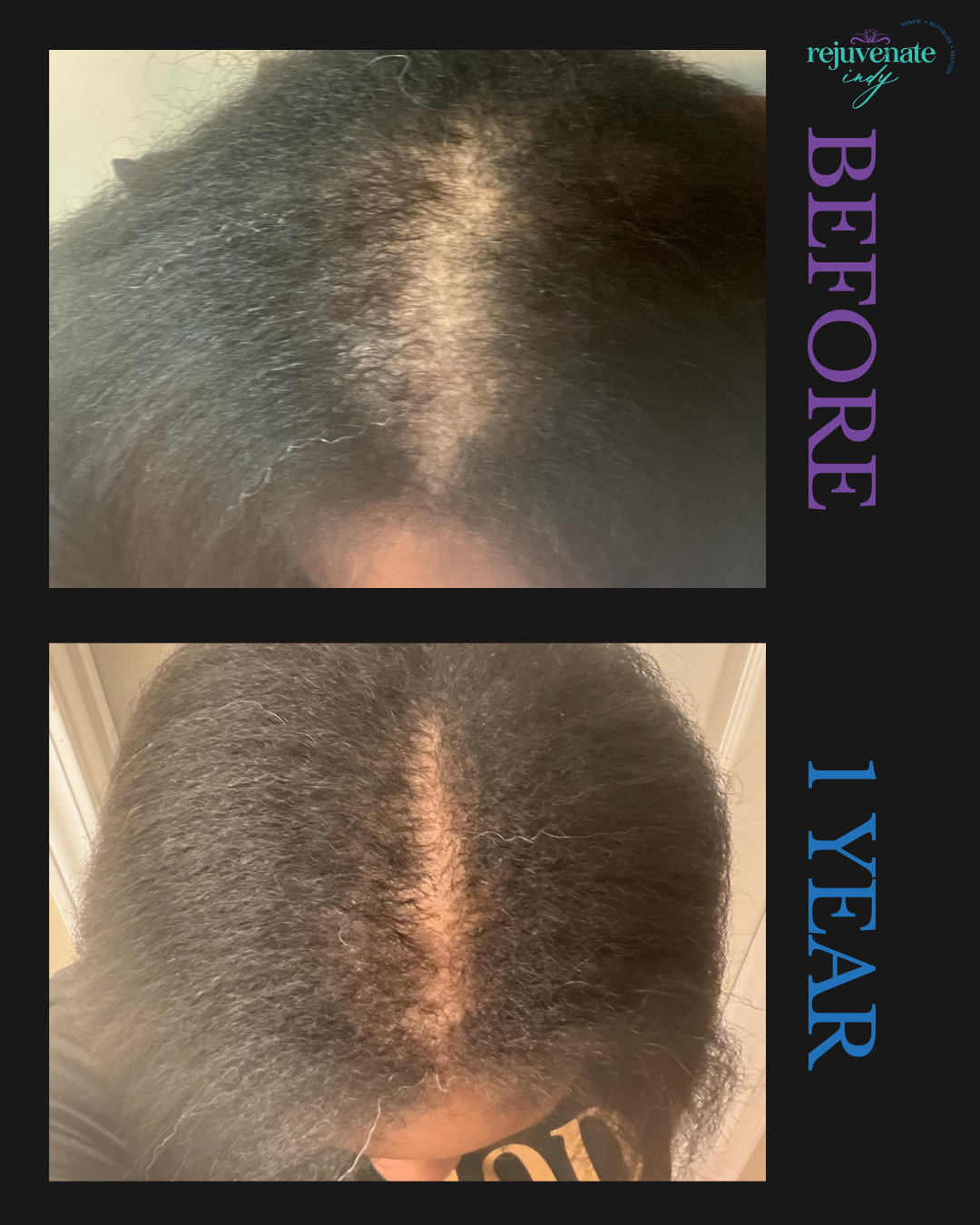
Diagnosis: Female Pattern Hair Loss (Androgenetic Alopecia)
Treatment Duration: 1 Year
Treatment Approach: Personalized Regenerative Hair Restoration
About This Condition
Female pattern hair loss is one of the most common causes of hair thinning in women. Rather than causing complete bald patches, it typically presents as gradual thinning through the central scalp with widening of the part line and decreased overall hair density. Hormonal changes, genetics, nutritional status, thyroid health, and other medical conditions can all contribute to its progression.
The Challenge
This patient presented with progressive thinning along the central part line and decreased hair density. The goal was to slow the progression of hair loss, improve follicular health, and encourage thicker, healthier hair growth through a personalized, non-surgical treatment plan.
Our Approach
Following a comprehensive evaluation, we developed an individualized regenerative hair restoration program designed to support healthy follicular function and optimize the scalp environment. Treatment focused on improving long-term follicular health while addressing contributing factors identified during the patient's evaluation.
The Outcome
After approximately one year of treatment, the patient demonstrated a noticeable improvement in hair density with narrowing of the central part line and increased coverage throughout the treated area. These results reflect the benefits of a personalized regenerative approach combined with consistent treatment and follow-up care.
A Personalized Approach Matters
Female pattern hair loss is progressive, and no two patients experience it the same way. Genetics are only one piece of the puzzle. Hormonal health, thyroid function, iron status, nutritional deficiencies, metabolic health, stress, and other medical conditions may all influence hair growth. Identifying and addressing these contributing factors allows us to create a personalized treatment plan designed to support healthier, stronger hair over the long term.
Case Study: Alopecia Areata
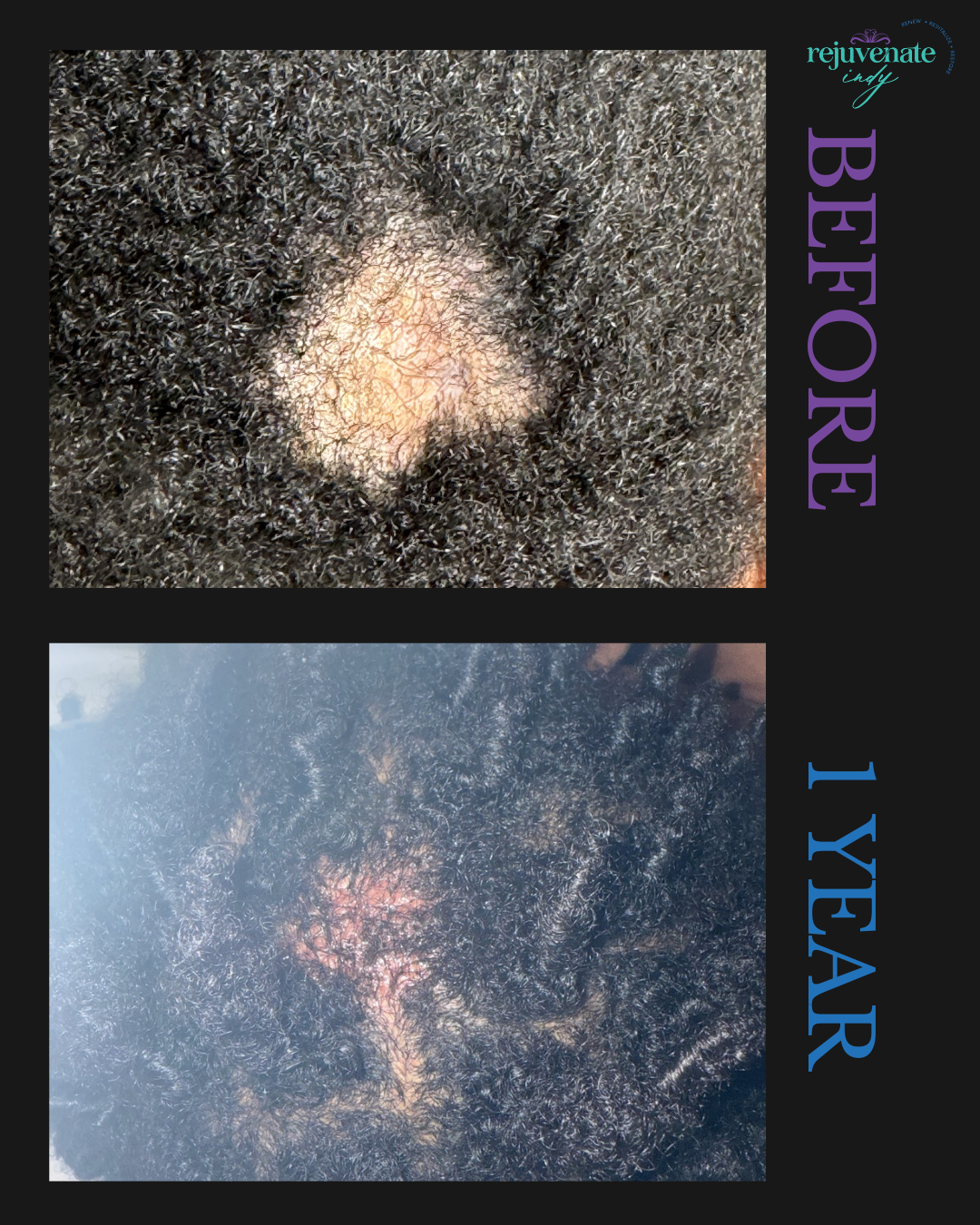
Diagnosis: Alopecia Areata
Treatment Duration: 12 Months
Treatment Approach: Personalized Regenerative Hair Restoration
About This Condition
Alopecia areata is an autoimmune condition in which the immune system mistakenly attacks healthy hair follicles, resulting in sudden, well-defined patches of hair loss. While the follicles remain alive, inflammation disrupts the normal hair growth cycle. The severity, progression, and response to treatment vary from person to person.
The Challenge
This patient presented with a localized patch of hair loss consistent with alopecia areata and was seeking a non-surgical treatment option to encourage hair regrowth and improve overall scalp health.
Our Approach
Following a comprehensive evaluation, we developed a personalized regenerative treatment plan focused on creating the healthiest possible environment for follicular recovery. The patient's treatment plan was adjusted throughout care based on clinical response and progress, with the goal of supporting healthy follicular function and long-term hair growth.
The Outcome
After approximately 12 months of treatment, the patient experienced significant hair regrowth with improved density throughout the previously affected area. This case demonstrates how a personalized regenerative approach can support meaningful improvements in patients with alopecia areata.
A Personalized Approach Matters
No two patients experience alopecia areata the same way. Results depend on many factors, including the severity and duration of hair loss, overall health, immune activity, and individual response to treatment. Early evaluation and a personalized treatment plan provide the greatest opportunity to support healthy follicular recovery and hair regrowth.
Case Study: Traction Alopecia
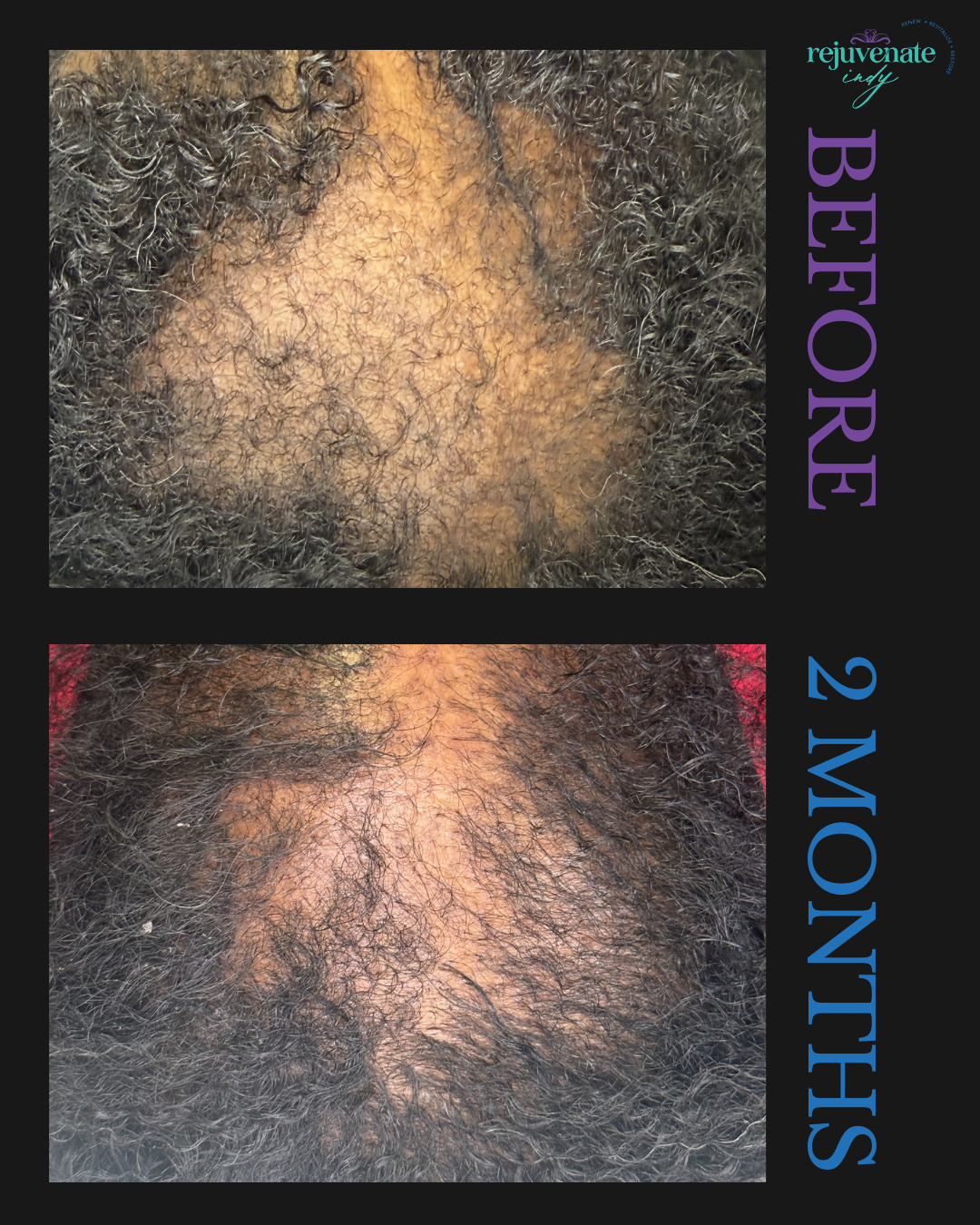
Diagnosis: Traction Alopecia
Treatment Duration: 2 Months
Treatment Approach: Personalized Regenerative Hair Restoration
About This Condition
Traction alopecia is a form of hair loss caused by repeated tension placed on the hair follicles over time. Tight hairstyles such as braids, ponytails, buns, weaves, and extensions can place chronic stress on the follicles, leading to thinning and hair loss. When identified early, many patients can experience meaningful improvement before permanent follicular damage occurs.
The Challenge
This patient presented with thinning along the central scalp consistent with traction alopecia. The treatment goals were to reduce ongoing follicular stress, support healthy hair growth, improve scalp health, and restore density through a personalized regenerative treatment plan.
Our Approach
Following a comprehensive consultation, we developed an individualized treatment plan focused on optimizing the scalp environment and supporting healthy follicular function. In addition to regenerative therapies, we discussed modifications to hair care practices to reduce ongoing tension and protect the recovering hair follicles.
The Outcome
After just 2 months of treatment, early improvement in hair density and new hair growth were observed throughout the affected area. While hair restoration is a gradual process, these early changes demonstrate how quickly healthy follicles can begin responding when the scalp environment is optimized and continued traction is minimized.
A Personalized Approach Matters
Traction alopecia is often preventable and is most responsive to treatment when addressed early. Continuing hairstyles that place excessive tension on the hair can limit recovery and may eventually lead to permanent follicular damage. A personalized treatment plan that combines regenerative therapies with appropriate hair care modifications offers the best opportunity for long-term improvement.
Case Study: Advanced Female Pattern Hair Loss
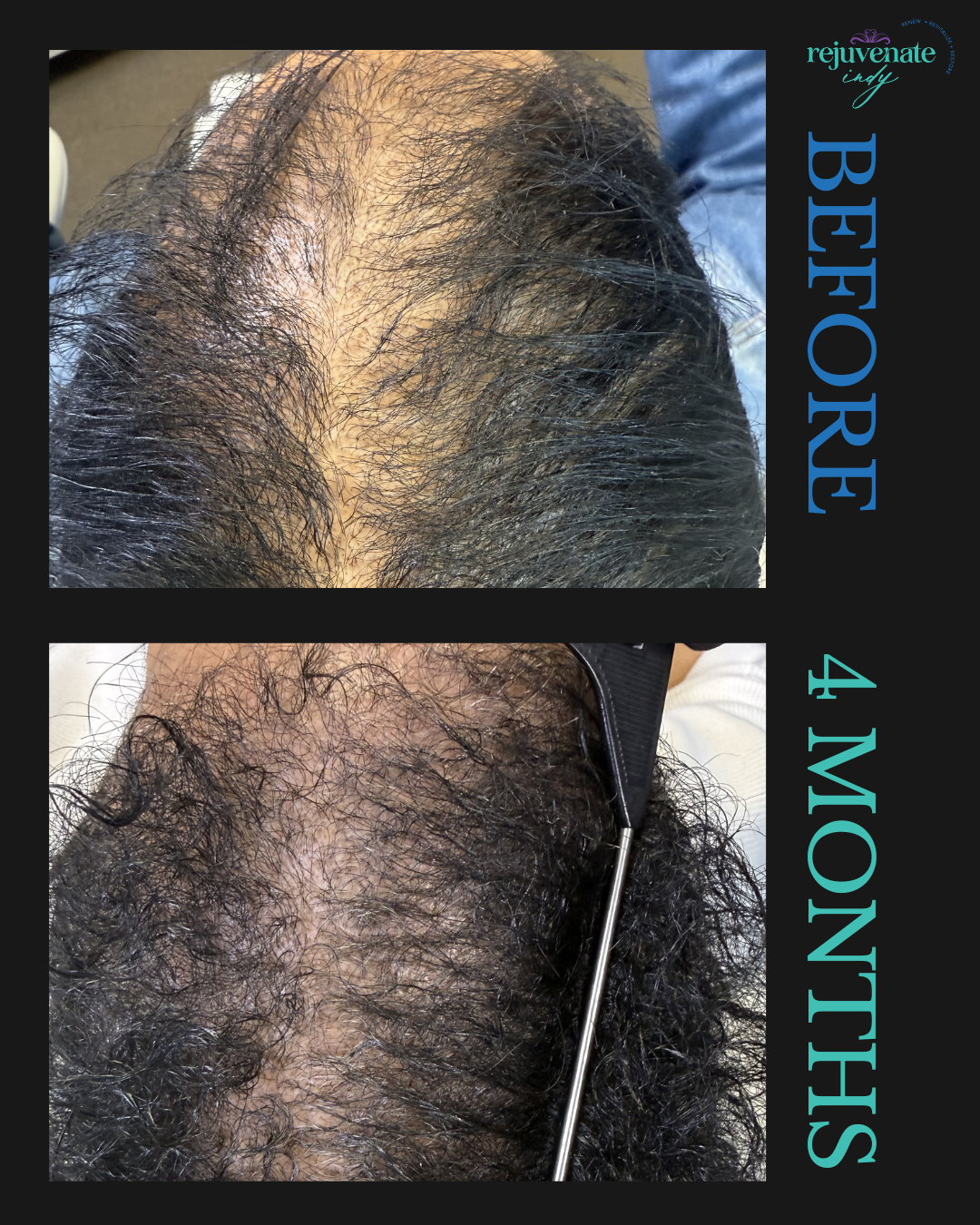
Diagnosis: Female Pattern Hair Loss (Androgenetic Alopecia)
Treatment Duration: 4 Months
Treatment Approach: Personalized Regenerative Hair Restoration
About This Condition
Female pattern hair loss is the most common cause of hair thinning in women. It typically develops gradually, leading to widening of the part line and diffuse thinning across the top of the scalp while preserving the frontal hairline. Genetics often play a role, but hormonal changes, thyroid dysfunction, nutritional deficiencies, metabolic health, medications, and other medical conditions may also contribute to progression.
The Challenge
This patient presented with advanced thinning throughout the central scalp and crown, resulting in decreased hair density and increased scalp visibility. The goal was to improve follicular health, encourage new hair growth, and increase overall hair density through a personalized regenerative treatment plan.
Our Approach
Following a comprehensive evaluation, we developed an individualized treatment plan focused on optimizing the scalp environment and supporting healthy follicular function. We also evaluated for underlying factors that may contribute to hair loss and incorporated regenerative therapies tailored to the patient's clinical presentation and treatment goals.
The Outcome
After approximately 4 months of treatment, the patient demonstrated early improvement in overall hair density with increased coverage throughout the central scalp. While hair restoration is a gradual process, these results highlight the positive changes that can occur during the early phases of treatment.
A Personalized Approach Matters
Female pattern hair loss is progressive, but early intervention can help preserve existing hair and support healthier follicular function. Because every patient's hair loss is influenced by different biological factors, a personalized treatment plan offers the best opportunity for meaningful, long-term improvement.
DERIVE is the Core of Our Regenerative Protocol
Within our multi-modality system, Derive serves as the central regenerative signaling component.
Applied during medical microneedling, this concentrated serum:
Delivers advanced growth factor signaling molecules
Supports follicular repair and regeneration
Reduces inflammatory signaling
Improves hair shaft thickness
Optimizes the scalp microenvironment
Frequently Asked Questions
-
Over time, follicles undergo miniaturization, they shrink, produce thinner hairs, and may eventually become inactive.
The longer thinning continues untreated:
The more follicles weaken
The harder reversal becomes
The more aggressive intervention must be
Early treatment allows us to:
Preserve active follicles
Reverse early miniaturization
Strengthen weakened hair shafts
Slow long-term progression
Waiting reduces options. Early intervention preserves them.
-
Hair restoration is a structured process:
Monthly sessions for 3 months
Two-month rest period
Follow-up session at month 6
Maintenance plan individualized
Consistency drives measurable results.
-
Hormones play a central role in the hair growth cycle for both men and women.
In men, hair thinning is most commonly driven by androgen sensitivity, particularly to dihydrotestosterone (DHT). Over time, DHT can cause follicular miniaturization, leading to recession at the temples, thinning at the crown, and progressively finer hair growth.
In women, hormonal shifts are often more complex. Perimenopause, postpartum changes, thyroid dysfunction, low testosterone, and fluctuations in estrogen and progesterone can all contribute to diffuse thinning, increased shedding, or widening of the part line. Many women experience hair loss not from excess hormones, but from imbalance or decline.
Because hair follicles are hormone-sensitive structures, even subtle shifts can impact density, growth rate, and hair shaft thickness.
This is why we evaluate hormonal markers when clinically appropriate. Supporting hormonal balance helps stabilize follicles, reduce shedding, and improve the long-term success of regenerative hair treatments.
-
Thyroid hormones regulate metabolism at the cellular level, including within the hair follicle.
Both overt and subclinical thyroid dysfunction can disrupt the hair growth cycle. When thyroid levels are imbalanced, follicles may prematurely shift from the growth phase (anagen) into the shedding phase (telogen), resulting in diffuse thinning across the scalp.
Common thyroid-related hair changes include:
Increased shedding
Thinning along the part line
Brittle or dry hair texture
Slowed regrowth
Even mild or “borderline” thyroid imbalances can impact hair density, particularly in women.
Because the hair follicle is highly metabolically active, it is sensitive to changes in thyroid signaling. That is why we often evaluate a comprehensive thyroid panel — not just a basic screening test — when investigating hair loss.
Optimizing thyroid function helps stabilize the growth cycle and supports long-term regenerative outcomes.
-
Iron plays a critical role in the hair growth cycle.
Ferritin reflects stored iron in the body. Hair follicles require adequate iron to remain in the active growth phase (anagen). When ferritin levels are low, follicles may prematurely shift into the shedding phase (telogen), resulting in increased hair loss and reduced density.
Low ferritin is one of the most common and frequently overlooked contributors to diffuse hair thinning, particularly in women with heavy menstrual cycles, postpartum changes, or dietary iron insufficiency.
Symptoms of low iron stores may include:
Increased daily shedding
Slower regrowth
Fatigue
Brittle hair
Even when standard iron levels appear “normal,” suboptimal ferritin can still impact hair health.
For optimal follicular function, adequate iron stores are essential. Identifying and correcting low ferritin significantly improves the stability of the hair growth cycle and enhances regenerative treatment outcomes.
-
Hair follicles require adequate nutrients to maintain a healthy growth cycle. Vitamin deficiencies can disrupt this process and contribute to increased shedding, slower regrowth, and reduced hair thickness.
Vitamin D plays a particularly important role in follicular cycling and immune regulation. Low levels have been associated with increased shedding and certain inflammatory forms of hair loss. Because Vitamin D also supports cellular signaling and immune balance, suboptimal levels may impair long-term follicular stability.
Other key nutrients that influence hair health include:
B vitamins (especially B12 and folate), which support cellular energy production
Zinc, which plays a role in tissue repair and follicular function
Protein, which provides the structural building blocks of hair
Even mild deficiencies can shift follicles into the shedding phase.
Because hair growth depends on internal nutrient sufficiency, evaluating and optimizing key vitamin levels enhances regenerative outcomes and supports stronger, more resilient hair over time.
-
Hair follicles are highly metabolically active structures. They require adequate blood flow, oxygen delivery, nutrient availability, and balanced inflammatory signaling to remain in the growth phase.
Markers of metabolic health — including fasting insulin, glucose regulation, inflammatory markers, and lipid balance — can significantly influence hair density and regrowth potential.
When metabolic dysfunction is present, it may:
Increase systemic inflammation
Impair circulation to the scalp
Disrupt hormone balance
Push follicles prematurely into the shedding phase
Even in individuals who appear otherwise healthy, subtle metabolic imbalances can affect the stability of the hair growth cycle.
Because hair growth reflects internal physiology, optimizing metabolic health improves follicular resilience and enhances regenerative treatment outcomes.
-
Hair is a biologically active tissue that requires adequate nutrients to remain in the growth phase. When the body is under-fueled or lacking key nutrients, hair is often one of the first systems affected.
Protein intake is essential. Hair is primarily made of keratin, a structural protein. Inadequate protein consumption, restrictive dieting, or rapid weight loss can push follicles prematurely into the shedding phase.
Essential fatty acids, including omega-3s, play a role in reducing inflammation and supporting scalp health. Omega-3s help maintain cell membrane integrity and may improve circulation to the follicle, creating a healthier environment for sustained growth.
Highly processed diets, chronic caloric restriction, and nutrient-poor food patterns can contribute to:
Increased shedding
Slower regrowth
Thinner hair shafts
Reduced treatment response
Because hair growth reflects overall physiologic health, optimizing nutrition, including adequate protein, healthy fats, micronutrients, and anti-inflammatory support, strengthens follicular stability and improves long-term regenerative outcomes.

Struggling with hair loss? Schedule your hair restoration consultation today and take the first step toward real regrowth.
We identify and treat the root cause, so results aren’t temporary.